
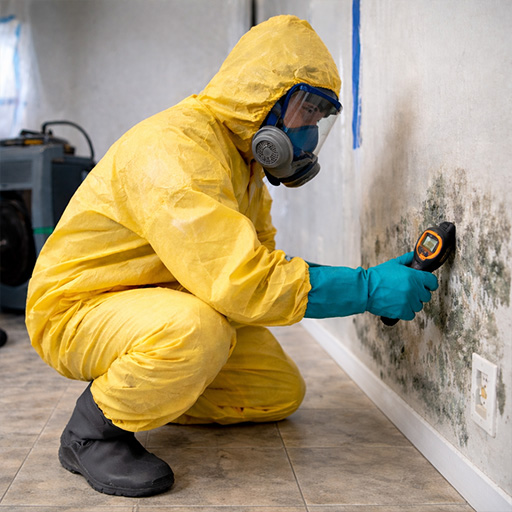
Mold can be a silent but hazardous presence in any Massachusetts home or business, affecting indoor air quality and potentially leading to health issues. Understanding the necessity of professional mold testing and what it entails can be the first step toward ensuring a safe environment. Here’s a closer look at how experts handle mold detection and remediation.
Step-by-Step Guide to Professional Mold Testing
The process of professional mold testing is meticulous and detailed, ensuring that all potential mold growth is accurately identified. Here’s what generally happens during a professional mold inspection:
- Initial Assessment: The process begins with a thorough visual examination of the property. Technicians review areas prone to mold growth due to moisture, such as basements, kitchens, and bathrooms, as well as any spots that show signs of water damage.
- Moisture Mapping: Specialists use advanced tools like moisture meters and infrared cameras to pinpoint high moisture areas where mold is most likely to thrive, which might not be visible to the naked eye.
- Air and Surface Sampling: To confirm the presence and type of mold, technicians collect air and surface samples. These samples are then sent to a laboratory for detailed analysis to identify the specific mold species present.
- Comprehensive Reporting: Once the laboratory results are in, you will receive a detailed report that outlines the type of mold, its concentration, and the potential health risks associated. The report will also include recommended steps for remediation if necessary.
What Happens After Testing?
If the mold testing confirms that remediation is necessary, the next steps include formulating a removal plan tailored to your specific situation. Professional mold removal typically involves:
- Containment: To prevent mold spores from spreading, the affected area is sealed off using plastic sheeting and negative air pressure.
- Filtration: HEPA filters clean the air of mold spores and other pollutants.
- Removal and Cleaning: Infected materials are removed or treated with antimicrobial agents. Surfaces may also be cleaned with specialized cleaning solutions.
- Restoration: Finally, any materials that were removed (like drywall or flooring) are repaired or replaced to restore your property to its original condition.
Opting for professional mold testing and removal ensures that all mold is effectively and safely removed, safeguarding the health of everyone in the building and maintaining the integrity of the structure.
Ready to Ensure Your Property is Mold-Free?
If you suspect mold in your home or business, don’t wait until it becomes a bigger issue. Call us today at 978-257-2345 for a comprehensive mold inspection and expert removal services. Let’s make your environment safe and clean again!