
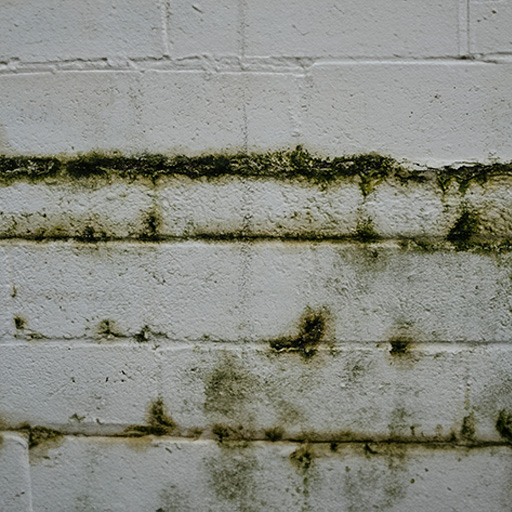
In Massachusetts, the unique blend of coastal weather, high humidity, and significant seasonal changes create a perfect storm for mold growth in homes. Understanding how local weather conditions contribute to the proliferation of mold can help homeowners prevent potential health hazards and structural damage.
The Role of Humidity and Temperature
Mold thrives in moist environments, and Massachusetts’ weather can often provide just that. The state experiences a high level of humidity, especially during the summer months. This moisture in the air can accumulate inside homes, particularly in areas like basements, bathrooms, and kitchens. Here are a few ways humidity and temperature interact to promote mold growth:
- Summer Humidity: During the hot summers, the air holds more moisture, which can lead to condensation on cooler surfaces inside homes, creating ideal conditions for mold spores to settle and grow.
- Cold Winters: Winters in Massachusetts can be brutally cold, prompting residents to heat their homes. This heating can cause indoor humidity levels to rise as warm air collides with cold surfaces, again providing a favorable environment for mold.
Effects of Rainfall and Flooding
Beyond just the humidity, Massachusetts’ frequent rainfall and occasional flooding can exacerbate mold issues in residential areas. Heavy rains can lead to water intrusion through leaks in roofs, windows, or the foundation of homes. If not promptly addressed, this moisture can seep into drywall, flooring, and other materials susceptible to mold growth. In the case of flooding, the risk is even higher, as standing water can take a long time to fully dry out, especially without professional intervention.
Ventilation and Condensation
Proper home ventilation is crucial in mitigating mold growth, yet Massachusetts’ weather can often complicate this. In winter, homeowners may keep windows and doors sealed to conserve heat, which reduces air circulation and increases indoor humidity from activities like cooking and showering. Similarly, in the damp spring months, not airing out homes sufficiently can lead to condensation build-up, particularly on windows and in poorly ventilated attic spaces.
For Massachusetts residents, staying vigilant about mold risks means maintaining good air circulation year-round, using dehumidifiers during high-humidity periods, and ensuring homes are well-maintained to prevent water intrusion.
Need Help with Mold Inspection or Removal?
If you’re concerned about mold growth in your home or just want peace of mind, our expert team is here to help. We specialize in comprehensive mold inspections and effective removal solutions. Don’t let mold compromise your home and health. Call us today at 978-257-2345 for a consultation.