
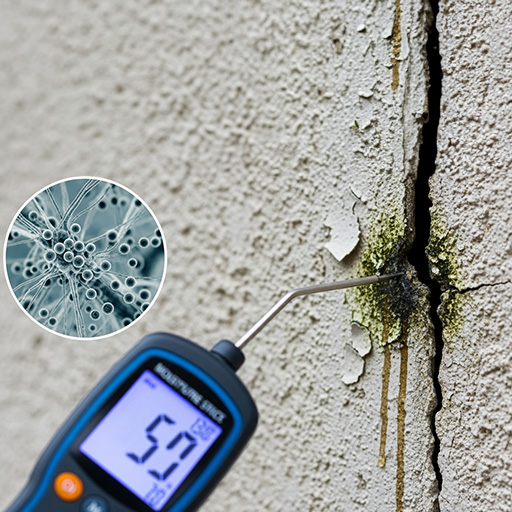
Mold infestations can be a silent menace, especially when they lurk unseen within the walls of a home or business. While mold is commonly associated with damp basements and steamy bathrooms, many homeowners are unaware that exterior wall cracks can also play a significant role in fostering hidden mold growth. These seemingly minor fissures can lead to major health and structural issues if not addressed promptly.
How Exterior Wall Cracks Contribute to Mold Infestations
Exterior wall cracks can occur due to a variety of reasons including foundation settling, thermal expansion, and moisture intrusion. Regardless of the cause, these cracks create an entry point for moisture—a key ingredient for mold growth. Here’s how unnoticed moisture can lead to a mold problem:
- Water Infiltration: Cracks allow water from rain or humidity to seep into the wall cavities between exterior and interior walls.
- Condensation: Differences in temperature inside and outside can cause condensation within these cavities, further contributing to damp conditions.
- Organic Material: Wall materials like wood, insulation, and drywall can act as food sources for mold when they become damp or wet.
Once mold spores find a hospitable environment, they can grow rapidly, often undetected until the telltale signs of a musty odor or visible mold patches appear.
Identifying and Addressing the Problem
Identifying a hidden mold issue requires more than a quick visual inspection. Professional mold inspectors use tools such as moisture meters and thermal imaging to assess the condition behind walls and other surfaces. If mold is found, the next step is determining the extent of the infestation and the specific remediation strategies that will be most effective.
Prevention Tips
Preventing mold growth due to exterior wall cracks involves several straightforward measures:
- Regular Inspection: Regularly inspect the exterior of your property for signs of damage or wear and promptly address any issues.
- Seal Cracks: Use appropriate caulking and sealants to repair cracks and gaps in exterior walls as soon as they are detected.
- Proper Ventilation: Ensure that your home is adequately ventilated to reduce indoor humidity levels.
- Gutters and Downspouts: Keep gutters clean and ensure downspouts direct water away from your building’s foundation.
By taking these preventative measures, you can significantly reduce the risk of mold taking hold in your home or business due to exterior wall cracks.
Need Professional Mold Inspection or Removal?
If you suspect that your property might be at risk for mold due to exterior wall cracks or other issues, don’t wait until it becomes a bigger problem. Contact our expert team today at 978-257-2345 for a thorough mold inspection and tailored removal services. Protect your indoor environment and your health by addressing mold risks proactively.