
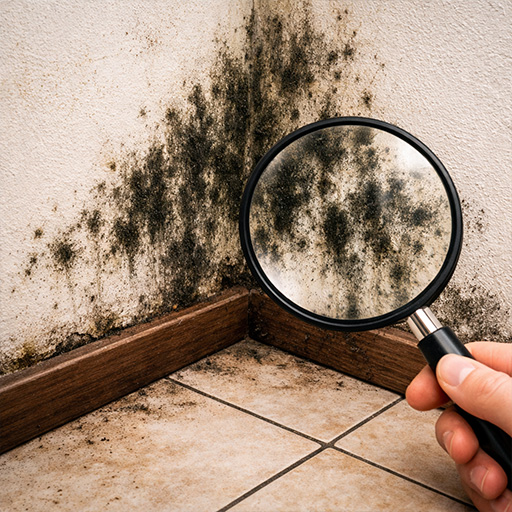
Living in Massachusetts offers a unique blend of historical charm and seasonal beauty, but it also brings certain challenges, especially when it comes to maintaining a healthy home environment. One such challenge is mold growth, which can be exacerbated by the state’s distinctive weather patterns. Understanding how local climate contributes to mold proliferation can help homeowners prevent potential health risks and structural damage.
High Humidity Levels
Massachusetts experiences relatively high humidity throughout the year. During the summer months, humidity levels often soar, creating an ideal breeding ground for mold inside homes. Mold thrives in moist environments, and without proper ventilation or dehumidification, it can quickly become a problem.
- Summer: The combination of heat and humidity can cause indoor air to become stagnant, allowing mold spores to settle and grow.
- Winter: Homes are typically heated during the cold months, and without adequate moisture control, this can lead to condensation on windows and walls, providing another opportunity for mold to flourish.
Wet Weather and Flooding
Massachusetts’ weather is not just about humidity; it also includes plenty of rain, especially during the spring and fall. This excessive moisture can seep into basements, crawl spaces, and other low-lying areas, making them prime spots for mold development. Furthermore, severe weather events like nor’easters can lead to flooding, which exacerbates the problem by saturating building materials and providing mold spores with the moisture they need to grow.
Seasonal Changes
The four distinct seasons in Massachusetts each play their role in mold growth. The frequent temperature fluctuations can cause building materials to expand and contract, sometimes creating small openings that allow moisture to penetrate the structure. Once inside, this moisture can go unnoticed for a long time, especially in rarely visited areas like attics and basements, allowing mold to establish a foothold unnoticed.
Preventing mold growth in Massachusetts homes requires a proactive approach, including maintaining proper indoor humidity levels, ensuring good ventilation, and promptly addressing any water intrusion issues. Regular inspections are also crucial, as early detection can prevent widespread mold contamination and save homeowners significant repair costs.
Need a Mold Inspection or Removal? Call Us!
Concerned about mold in your Massachusetts home? Don’t wait until it’s too late! Call us at 978-257-2345 for a professional mold inspection or removal service. Our experts are ready to help ensure your home remains healthy and mold-free!