
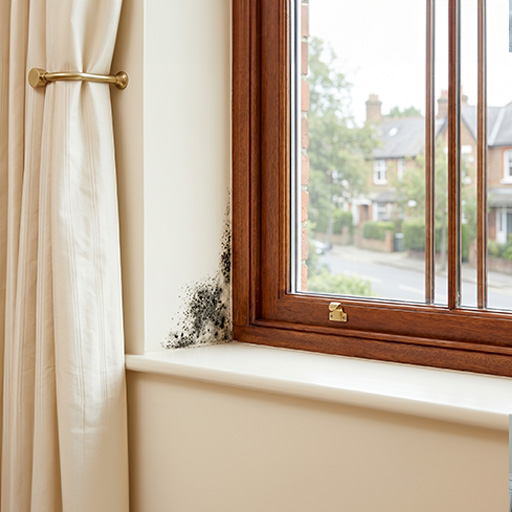
In Massachusetts, the unique climate plays a significant role in the proliferation of mold within residential spaces. Understanding the connection between local weather patterns and mold growth can help homeowners prevent potential health risks and structural damage. This article delves into why Massachusetts homes are particularly susceptible to mold and what you can do to protect your living environment.
Humidity: A Mold’s Best Friend
One of the primary catalysts for mold growth is high humidity, and Massachusetts’ weather can often provide just that. The state experiences a humid continental climate, with warm summers and cold, wet winters. This combination can create a perfect breeding ground for mold in the following ways:
- Summer Humidity: During the summer, the air is often moist. This excess moisture can seep into your home, providing a hospitable environment for mold to thrive, especially in poorly ventilated areas.
- Damp Winters: The cold season brings a different challenge as the combination of heating and tightly sealed spaces traps moisture inside homes. Areas like basements and attics are particularly vulnerable during this time.
Condensation and Poor Ventilation
Another factor contributing to mold growth is condensation, which frequently occurs during the Massachusetts winter. When warm indoor air comes in contact with cold surfaces like windows or poorly insulated walls, condensation forms, creating small pools of moisture perfect for mold spores to settle and multiply. Homes with poor ventilation exacerbate this issue, as moisture cannot escape and continuously cycles through the indoor air.
Preventing Mold Growth
Prevention is key when it comes to controlling mold growth in your home. Here are some effective strategies:
- Enhance Ventilation: Use dehumidifiers and exhaust fans, and regularly open windows to improve air circulation.
- Monitor Humidity Levels: Aim to keep indoor humidity below 60%. Hygrometers can be used to monitor these levels accurately.
- Address Leaks Promptly: Fix leaky roofs, windows, and pipes to prevent water accumulation.
- Insulate: Properly insulating your home can reduce the cold surfaces that cause condensation.
By being proactive, you can significantly reduce the risk of mold taking hold in your living spaces, safeguarding both the health of your family and the integrity of your home.
Need Help with Mold?
If you suspect mold growth in your home or just want peace of mind, don’t hesitate to call us at 978-257-2345 for a thorough inspection and professional mold removal services. Our experts are here to help ensure your home remains healthy and mold-free.