
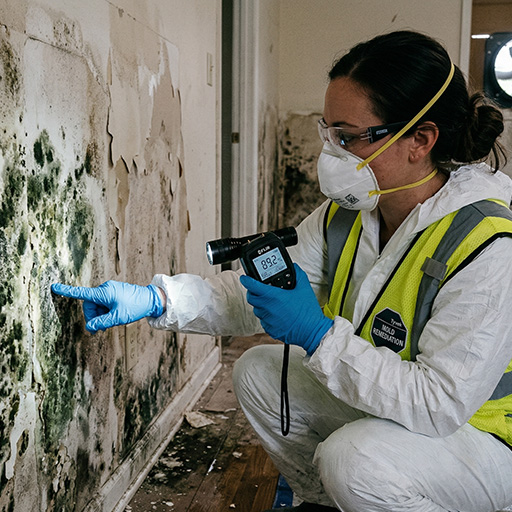
Floods are not just devastating to your home’s structure; they also create the perfect moist environment for mold to thrive. In Massachusetts, where weather can range from heavy rainfalls to high humidity, the battle against mold growth post-flooding is a critical one. Knowing how to identify the early signs of mold can protect your property and health.
Visual Signs of Mold
Mold is not always hidden; sometimes, it’s visibly apparent on surfaces. After a flood, inspect your home thoroughly for any tell-tale signs of mold growth. Look for:
- Discoloration: Mold can appear as irregularly shaped spots in various colors – black, white, green, or yellow patches might be visible on walls, ceilings, and floors.
- Wallpaper Peeling: Wallpaper or paint that is peeling, cracking, or bubbling is a potential sign of mold beneath the surface.
Musty Odors
A musty, earthy smell often accompanies mold growth. This distinct odor can persist and dominate a room or area, particularly in spaces that are less ventilated like basements and attics. If you notice persistent musty smells after a flood, it’s advisable to investigate further or consult a professional.
Health Symptoms
Mold can pose serious health risks, particularly to those with respiratory issues or allergies. Be aware of symptoms that might indicate the presence of mold in your living environment:
- Respiratory problems, such as wheezing, asthma attacks, or difficulty breathing
- Coughing or throat irritation
- Eye irritation, such as itchy, red, or watery eyes
- Skin irritation or rash
If any occupants experience these symptoms recurrently only while in the building, it might be time to inspect for mold.
Where to Look
Post-flood, certain areas are more prone to mold growth due to higher moisture levels. Check these common spots:
- Basements, particularly if they were flooded
- Areas near plumbing, water heaters, and sump pumps
- Underneath kitchen and bathroom sinks
- Around windows and door frames
- Under carpeting or flooring that was exposed to flood water
Prevention and Remediation
Preventing mold growth after a flood involves removing water and moisture as quickly as possible. Utilizing dehumidifiers and fans can help accelerate the drying process. However, some instances require professional intervention, especially when dealing with extensive water damage and potential mold infestations.
Need Mold Inspection or Removal Services?
If you suspect mold growth in your home following a flood or detect any of the signs mentioned, don’t hesitate to reach out. Protect your home and health by calling us today at 978-257-2345 for a thorough mold inspection and effective removal services. Our experts are here to help restore your peace of mind.