
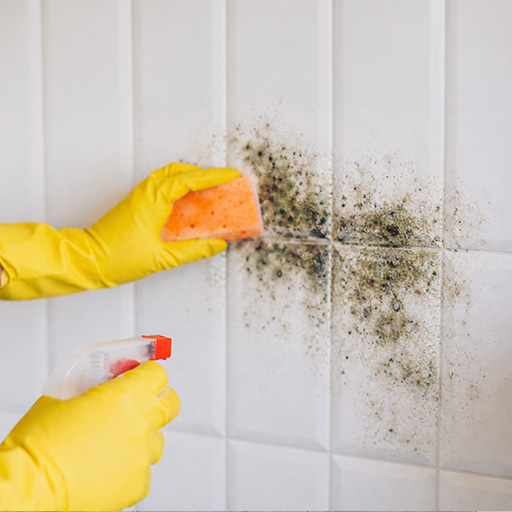
Mold is a common nuisance in homes, particularly thriving in damp environments like kitchens and bathrooms. Understanding the causes of mold growth and implementing effective prevention strategies can help keep your home safe and healthy. Here’s what you need to know about managing mold in these critical areas of your home.
Why Mold Loves Kitchens and Bathrooms
The key factor that makes kitchens and bathrooms hotspots for mold is moisture. Activities such as cooking, bathing, and washing dishes increase humidity levels, which provides the perfect breeding ground for mold. Poor ventilation exacerbates the problem, allowing moisture to linger and seep into walls, ceilings, and other surfaces.
Common Causes of Mold in Kitchens and Bathrooms
- Poor Ventilation: Insufficient airflow traps humidity in the room.
- Leaking Fixtures: Drips from faulty faucets or showerheads contribute to excess moisture.
- High Humidity: Without dehumidifiers or air conditioners, moisture levels can stay high enough for mold to thrive.
- Condensation: Cold surfaces can create condensation, and when combined with a warm environment, it becomes ideal for mold growth.
Effective Prevention Tips
Preventing mold in your kitchen and bathroom doesn’t require extensive renovation. Instead, simple changes and regular maintenance can make a big difference:
- Enhance Air Circulation: Use exhaust fans during and after showers and while cooking. Ensure that ventilation systems expel air outside and not into attics or other indoor spaces.
- Fix Leaks Promptly: Regularly check under sinks, around toilets, and near appliances for signs of leaks and address them immediately to prevent mold growth.
- Use Mold-Resistant Products: When renovating, choose mold-resistant drywall and paints, especially in high-moisture areas like bathrooms and kitchens.
- Keep Surfaces Dry: Wipe down bathroom and kitchen surfaces regularly to remove moisture, particularly after cooking or bathing.
- Manage Humidity Levels: Keep indoor humidity below 50% using dehumidifiers or air conditioners.
Regular inspection and cleaning of these areas also play a crucial role in preventing mold. However, if you suspect that mold has already taken hold in your home, professional assessment and removal might be necessary.
Need Help with Mold? Call Us!
If you’re facing persistent mold issues in your kitchen or bathroom, don’t wait for the problem to worsen. Our experienced team at Mold Testing and Removal Services is here to help. Call us at 978-257-2345 for a thorough inspection and effective mold removal solutions tailored to your needs.