
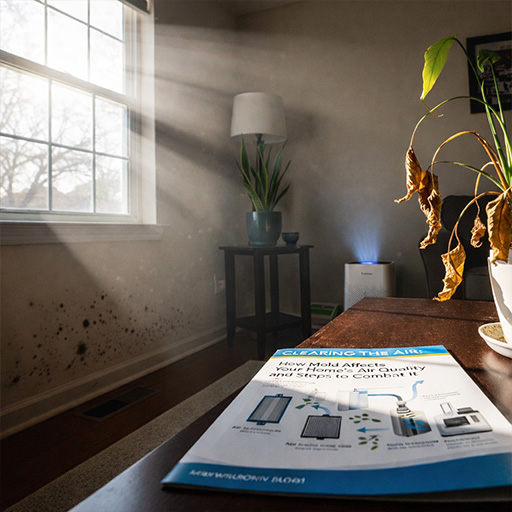
Mold in your home is more than just an unsightly annoyance; it can also significantly compromise your indoor air quality. In Massachusetts, where changing seasons bring about varying levels of humidity and moisture, homes are particularly susceptible to mold growth. Understanding how mold affects your living environment and knowing the right steps to manage it are crucial in maintaining a healthy indoor atmosphere.
The Risks of Mold in Your Home
Mold spores are a natural part of the environment but become a problem when they start growing indoors. Once mold takes hold, it can release spores into the air, which are then inhaled by you and your family. Prolonged exposure to mold can lead to a variety of health issues, especially for those with respiratory conditions, allergies, or compromised immune systems. Common symptoms include:
- Coughing and sneezing
- Eye irritation
- Skin rashes
- Worsening asthma symptoms
- Persistent headaches
Moreover, mold can lead to unpleasant odors and cause significant damage to your property by breaking down organic materials like wood and drywall, which can weaken the structural integrity of your home.
Identifying Mold in Your Home
Detecting mold can be tricky as it often grows in hidden areas. Here are some signs that might indicate the presence of mold in your home:
- Visible growth: Look for speckled stains or discoloration on walls, floors, and ceilings.
- Musty odors: A persistent earthy or musty smell is frequently indicative of hidden mold.
- Water issues: Recent water damage, leaks, or condensation problems can foster mold growth.
- Health symptoms: Unexplained allergic reactions or respiratory issues when at home could suggest mold exposure.
Effective Ways to Control Mold
Preventing mold growth and managing existing mold are key to maintaining healthy indoor air quality. Here are practical steps you can take:
- Control humidity levels: Use dehumidifiers and air conditioners to keep indoor humidity below 50%.
- Ensure proper ventilation: Use exhaust fans in bathrooms, kitchens, and laundry areas to reduce moisture.
- Fix leaks: Repair any plumbing leaks and other water problems as soon as possible.
- Clean and dry: Thoroughly clean and dry any areas of condensation or water damage within 48 hours to prevent mold growth.
- Professional mold testing: Consider hiring a professional for mold testing, especially if signs of mold are not visible but mold presence is suspected.
Mold can be a formidable enemy in your home, but with vigilant attention and proactive measures, you can protect your indoor air quality and your health.
Need Help with Mold? Call Us!
If you suspect mold in your home or simply want peace of mind about your indoor air quality, don’t hesitate to call us at 978-257-2345. Our team of experts is equipped to conduct thorough mold inspections and carry out professional removal processes, ensuring your home is safe and comfortable. Remember, tackling mold at its onset not only preserves your health but also saves on costly home repairs in the future. Reach out today!