
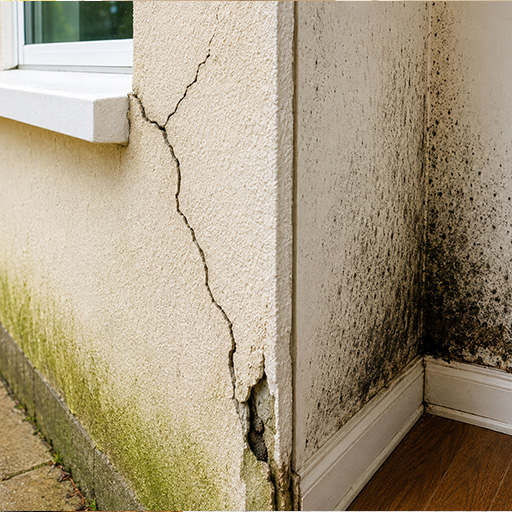
Mold growth within homes is a common concern, especially in areas with high humidity levels like Massachusetts. While various factors contribute to mold proliferation, one often overlooked culprit is the presence of cracks in your home’s exterior walls. Understanding the relationship between these structural imperfections and indoor mold can help you protect your home and health.
**The Pathway to Moisture Intrusion**
Exterior wall cracks, regardless of their size, can act as gateways for moisture. Rainwater and ambient humidity can seep through these fissures, creating a damp environment conducive to mold growth. This issue is particularly severe during Massachusetts’s wet seasons when the likelihood of water ingress through any breach in your home’s defenses is significantly higher.
**Compromising Your Home’s Microclimate**
Once moisture penetrates through wall cracks, it can get trapped inside the walls or insulation. Over time, this accumulation of dampness affects the internal microclimate of your home. Here are several ways how moisture buildup can lead to mold issues:
– **Condensation**: As the moisture-laden air cools within your home, condensation can occur on various surfaces, providing the perfect breeding ground for mold spores.
– **Material Degradation**: Many building materials, like wood and drywall, absorb moisture. Wet materials can not only lead to structural damage but also promote mold growth.
– **Poor Air Quality**: Increased moisture levels and mold growth can deteriorate indoor air quality, potentially leading to health problems such as allergies and respiratory issues.
**Preventive Measures and Solutions**
Addressing cracks in exterior walls is a critical step in mold prevention. Here are some practical measures you can take:
– **Regular Inspections**: Periodically inspect your home’s exterior for any signs of damage or wear, focusing on areas around windows, doors, and the foundation.
– **Prompt Repairs**: Seal any detected cracks with appropriate caulking or sealants. For larger structural issues, it may be necessary to consult a professional.
– **Improved Ventilation**: Ensure your home is adequately ventilated to mitigate moisture accumulation and discourage mold growth.
Despite these preventive steps, if you suspect that mold has already taken root in your home due to existing cracks or other issues, professional mold assessment and remediation are crucial. Early detection and removal can prevent further damage to your home and safeguard your health.
**Need Help With Mold? Call Us Today!**
If you’re concerned about mold in your home or have noticed cracks in your exterior walls, don’t hesitate to reach out. Our expert team is equipped to conduct thorough mold inspections and carry out effective mold removal procedures. Protect your home and health by calling us at 978-257-2345 today!