
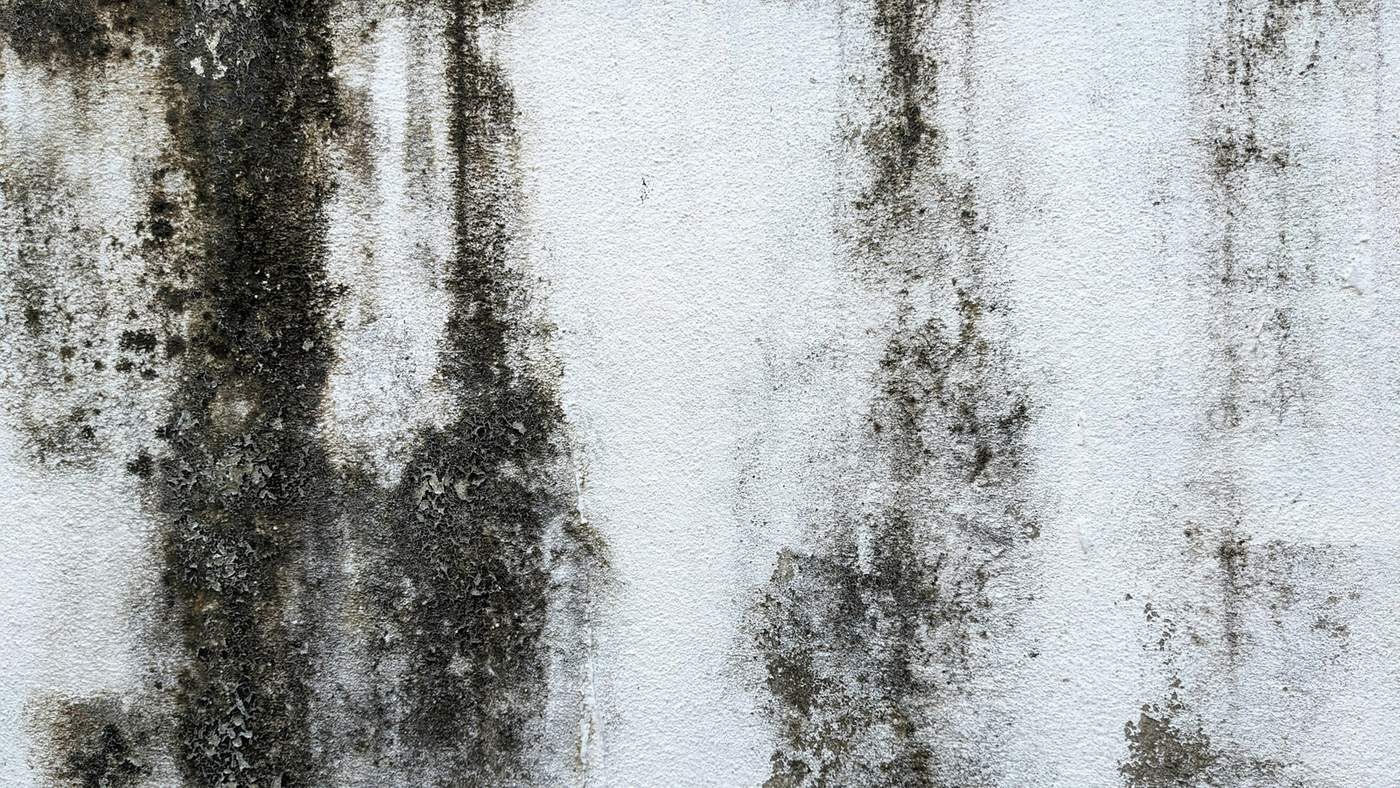
“I think it’s black mold.” We hear those words on the phone almost every week, usually from someone who has just spotted dark patches on a basement wall, around a bathroom window or across the roof boards in the attic, and has spent the evening reading frightening things online. Take a breath. Dark mold is common, it is fixable, and the color alone doesn’t tell you nearly as much as people think. Here’s what black mold removal really involves, and when you should call for help.
What people mean by “black mold”
When people say black mold, they usually mean Stachybotrys chartarum, a greenish-black mold that grows on materials that stay wet for a long time, like water-damaged drywall, wood and paper. But plenty of other common molds also look black or very dark. You can’t identify a mold species by looking at it; only testing can do that.
The more useful point is this: any mold growing indoors should be dealt with, whatever its color. The goal is the same for all of it. Remove the growth, clean the area properly, and fix the moisture that let it grow.

Where dark mold shows up in Massachusetts homes
- Attics, on the underside of the roof deck, where warm, damp air gets trapped.
- Basements and crawl spaces, where humidity stays high and air doesn’t move.
- Bathrooms, around windows, ceilings and anywhere the fan isn’t keeping up.
- Kitchens, under sinks and behind appliances, where a slow leak can go unnoticed for months.
- Anywhere water got in: a roof leak, a cracked exterior wall, or flooding that wasn’t dried out within 48 to 72 hours.
Is it dangerous?
Not all mold is dangerous, and we won’t try to scare you into a big job. That said, mold can irritate eyes, nose and lungs, and people with allergies, asthma or weakened immune systems can be more sensitive to it. If anyone in the home has symptoms that worry you, talk to your doctor. Either way, mold indoors is something to clean up rather than live with.
Can you remove black mold yourself?
For a small spot on a hard surface, like a bit of growth on bathroom tile or a window frame, many homeowners can clean it themselves with proper ventilation, gloves and eye protection. General public guidance suggests calling a professional when the affected area is larger, roughly more than ten square feet, when mold is growing inside walls or ceilings, when it keeps coming back, or when it followed a water event.
A few things to avoid: don’t dry-brush or sand moldy surfaces, which spreads spores through the house, and don’t just paint over it. Mold under fresh paint is still mold.
How we remove it
We’re an owner-operated company focused on mold removal, not a franchise built around demolition and insurance jobs. That’s a big reason we open less than 15% of our customers’ walls or floors. Our process is designed to remove the mold, clean the air and stop it from coming back:
- Assess and contain. We find the extent of the problem and set up containment so spores don’t spread to the rest of the house.
- Spray and suspend. A mold suspension foam and fogging process lifts and captures the growth.
- Remove. HEPA vacuums and air scrubbers clean surfaces and the air, starting with the affected areas and working outward.
- Disinfect and seal. We treat with an EPA-registered disinfectant, then seal wood with an antifungal barrier that resists moisture.
- Fix the cause. We look for the leak, roof issue or plumbing problem that started it, because mold will return if the water does.
You can read more about each step on our mold removal and remediation page.
Buying or selling a home with mold?
Mold found during a home inspection doesn’t have to derail a sale. We work with homeowners, Realtors and home inspectors to assess the problem quickly and fix it affordably. If you’d like to know what you’re dealing with first, we can send a technician for a mold assessment or testing.
Talk to a mold removal specialist
If you’ve found dark mold in your attic, basement, bathroom or kitchen, call us at 978-257-2345 or request an estimate. We’ll tell you honestly what you’re looking at, what it will take to fix, and what you can safely leave alone. Ask us about our warranty too.