
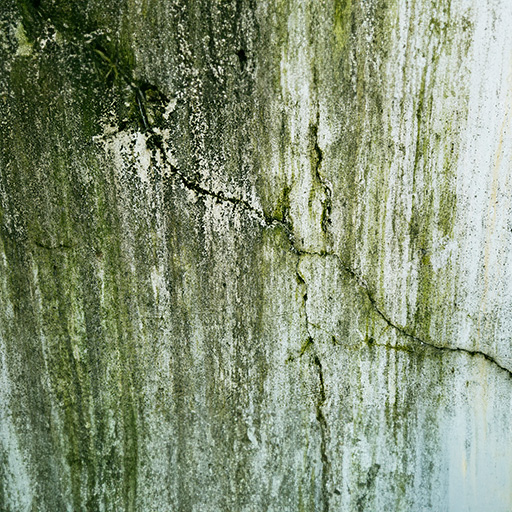
Mold growth in homes can have serious implications for both the structure of your home and the health of its residents. While there are various ways mold can infiltrate and thrive within a residence, one commonly overlooked entry point is through cracks in exterior walls. Understanding the connection between these exterior imperfections and interior mold growth is crucial for maintaining a healthy living environment.
Understanding the Path from Cracks to Mold
Exterior wall cracks can appear for a variety of reasons, including foundation settling, improper construction, or environmental impacts. Regardless of the cause, these cracks create a direct pathway for moisture to enter the home’s interior. Here’s how this seemingly minor structural defect can lead to significant mold issues:
- Moisture Intrusion: Water is a primary necessity for mold growth. Cracks in the walls allow moisture from outside rain, snow, and humidity to seep into the building’s interior spaces.
- Condensation Buildup: When external moisture meets the warmer temperatures inside the walls, condensation occurs. This provides a perfect damp environment for mold to start developing.
- Hidden Growth: Often, mold begins growing within wall cavities and behind paneling, making early detection difficult without professional inspection.
Preventative Measures and Solutions
To prevent mold growth, it is essential to address both the symptom (the mold) and the cause (the cracks and moisture intrusion). Here are a few practical steps homeowners can take:
- Regular Inspection: Regularly inspect your home’s exterior for any signs of damage or wear, especially after severe weather conditions. Early detection of cracks can prevent further complications.
- Seal and Repair: Sealing cracks with appropriate caulking or other sealant products can block the moisture pathway. In cases of significant structural damage, professional repairs might be necessary.
- Improve Ventilation: Enhancing air circulation within your home, particularly in areas like basements and attics, can help keep moisture levels under control.
- Professional Mold Assessment: If you suspect mold growth, a professional mold assessment is crucial to determine the extent and type of mold present, as well as the appropriate remediation steps.
Mold is not only a structural risk but also a health hazard, potentially causing respiratory issues and other illnesses. Thus, taking proactive steps to prevent its growth is crucial for any homeowner.
Need a Mold Inspection or Removal? Call Us!
If you’re concerned about mold in your home or have noticed cracks in your exterior walls, don’t wait for the problem to worsen. Contact us at 978-257-2345 for a comprehensive mold inspection or removal service. Our team of experts is equipped to restore the health of your home promptly and efficiently.