
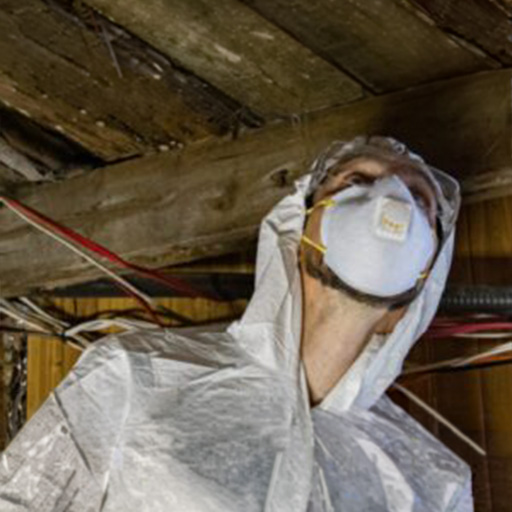
Understanding the Risks in Attics and Basements
Mold thrives in environments that are often out of sight and out of mind. Your home’s attic and basement are prime spots for mold growth due to their typical conditions of high humidity, limited airflow, and darkness. These areas are seldom visited, which means mold can spread extensively before it’s even noticed. By understanding why these spaces are particularly vulnerable, homeowners can take proactive steps to protect their homes and health.
Why Attics Are Susceptible to Mold Growth
The attic is one of your home’s highest risk areas for mold development for several reasons:
- Poor ventilation: Without adequate air circulation, moisture from the outside air or indoor activities (like showers and cooking) can accumulate.
- Roof leaks: Water from leaks can seep into your attic, creating a perfect environment for mold to flourish.
- Insulation issues: Insufficient or improper insulation can lead to condensation, which contributes to dampness and mold growth.
It’s crucial to inspect your attic regularly for any signs of moisture or mold and to ensure that it is well-ventilated and properly insulated.
The Challenge with Basements
Basements are infamous for being damp and dark, making them ideal for mold proliferation. Factors contributing to basement mold include:
- External water: Rainwater or groundwater can penetrate basement walls and floors, leading to persistent dampness.
- Internal moisture sources: Appliances like washers and dryers can increase humidity levels if not properly ventilated.
- Poor drainage: Inadequate drainage around the foundation can also lead to water issues.
Regularly checking for and addressing these issues can significantly reduce the risk of mold in your basement.
Mold Removal and Prevention Strategies
Effective mold management involves both removal of existing mold and prevention of future growth. For homeowners, this means:
- Ensuring that both attics and basements are well-ventilated.
- Using dehumidifiers to control moisture levels, particularly in basements.
- Regularly inspecting for and repairing any leaks in roofs and basement walls.
- Sealing basement floors and walls to prevent water seepage.
While DIY methods can provide a temporary fix, professional mold remediation is often necessary to completely and safely remove mold infestations.
Need Expert Mold Inspection or Removal? Call Us!
If you’re concerned about mold in your attic or basement, don’t wait until it becomes a bigger problem. Contact our expert team at 978-257-2345 for a thorough mold inspection and effective removal solutions. Protect your home and health today!