
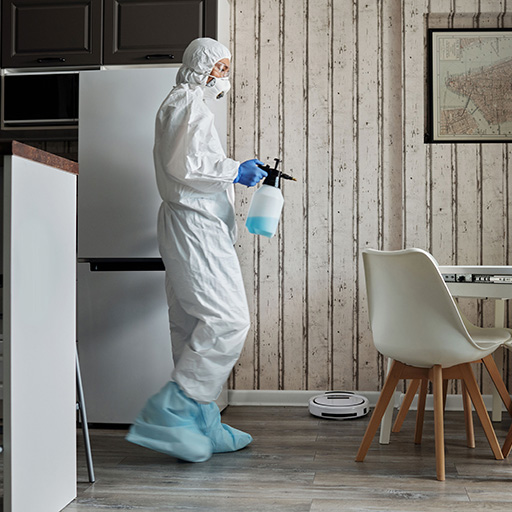
Mold growth in your home can be a silent yet hazardous issue, particularly in Massachusetts where the climate can contribute to the problem. Understanding the essentials of mold removal and the importance of professional intervention is crucial for maintaining a healthy living environment. This guide will provide Massachusetts homeowners with key insights into identifying, handling, and preventing mold.
Identifying Mold in Your Home
First and foremost, recognizing the presence of mold is the initial step towards a mold-free home. Mold can appear in various colors and is often accompanied by a musty odor. Common areas prone to mold growth include bathrooms, kitchens, basements, around windows, and areas with water damage. It’s important to regularly inspect these areas, especially after any water-related incidents such as flooding or leaks.
Why Professional Mold Removal is Necessary
While small patches of mold can sometimes be handled with DIY methods, extensive mold infestation requires professional attention. Here’s why professional mold remediation is important:
- Expertise and Experience: Professionals are trained to handle mold effectively, ensuring that it is completely removed.
- Proper Tools and Techniques: Specialists use advanced tools and techniques to identify hidden moisture sources and mold growth, far beyond what is visible to the naked eye.
- Prevention of Future Growth: Professionals not only remove the mold but also take measures to prevent its recurrence, saving you time and money in the long run.
The Process of Professional Mold Remediation
Understanding the mold remediation process can alleviate some of the stress homeowners might feel about the procedure. Typically, the process involves the following steps:
- Assessment: A thorough inspection to determine the extent of the mold infestation and the damage caused.
- Containment: The affected area is sealed off to prevent the spread of mold spores during the cleanup process.
- Filtration: HEPA filters are used to clean the air of mold spores and other particles.
- Removal and Cleanup: Infected materials are removed, and the area is treated with antimicrobial agents to eradicate remaining mold.
- Restoration: Replacing or repairing the damaged materials to bring your property back to its original condition.
Each step is carried out with precision and care to ensure the safety and efficacy of the mold remediation process, ultimately providing homeowners peace of mind.
Preventing Mold in Massachusetts Homes
Prevention is always better than cure, especially when it comes to mold. Here are a few tips to keep your home mold-free:
- Maintain low indoor humidity, ideally between 30-50%, by using dehumidifiers and air conditioners.
- Ensure proper ventilation in high-moisture areas such as the kitchen, bathroom, and laundry room.
- Regularly inspect and repair any leaks in roofs, windows, or pipes.
- Ensure downspouts and gutters are clean and directing water away from your home’s foundation.
Need Expert Mold Inspection or Removal? Call Us!
If you suspect mold growth in your home or just want to ensure your home remains mold-free, don’t hesitate to contact us. Our team of certified mold remediation experts is here to help you maintain a safe and healthy environment. Call us today at 978-257-2345 for a professional consultation!