
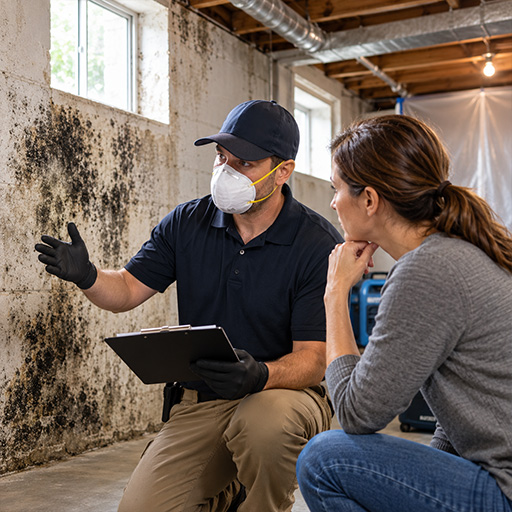
Mold can be a silent nuisance that creeps into your home, particularly in a state like Massachusetts where the climate can contribute to its growth. Understanding the basics of mold removal and taking timely action can safeguard your family’s health and your property’s integrity. Here’s what you need to know about tackling mold issues in your Massachusetts home.
Recognize the Signs of Mold Infestation
Identifying mold can be trickier than most homeowners think. It often grows in hidden areas, making early detection crucial. Here are some signs that might indicate the presence of mold in your home:
- Musty Odors: A persistent musty smell is often the first indicator of hidden mold.
- Visible Growth: While it might seem obvious, any suspicious black, green, or white spots on damp areas could be mold.
- Health Symptoms: Unexplained allergies or respiratory problems can often be attributed to mold exposure.
- Water Issues: Past flooding or ongoing leaks are prime contributors to mold growth.
Understanding Mold Removal vs. Remediation
It’s important to differentiate between mold removal and mold remediation. Mold spores are naturally occurring and cannot be completely eradicated from an indoor environment. However, mold remediation focuses on returning mold levels to normal, natural levels. Here are the steps typically involved in professional mold remediation:
- Inspection and Mold Damage Assessment: Using tools like moisture meters and infrared cameras, professionals can find hidden water sources and mold growth.
- Mold Containment: To prevent the spread of mold, the affected area is isolated using physical barriers and negative air pressure.
- Air Filtration: HEPA filters help capture microscopic mold spores out of the air, purifying your home environment.
- Removing Mold and Mold-Infested Materials: The mold remediation process involves cleaning and sanitizing walls, furniture, and personal items. Infested materials like drywall and insulation may need to be removed and replaced.
- Restoration: Depending on the damage, restoration may involve minor repairs or major renovations such as reconstructing various areas or rooms in your home.
Choosing the Right Mold Remediation Company
Selecting a qualified mold remediation company is crucial. Ensure that the company is licensed and insured in Massachusetts. Look for specialists who are willing to provide a detailed plan and estimate before beginning the work. Experienced professionals should be able to advise on preventing future mold problems as well as treat the current issues.
Preventative Measures for Homeowners
Mold prevention is key to avoiding the need for extensive remediation. Here are some tips to keep your home mold-free:
- Control Humidity Levels: Aim to keep indoor humidity below 60 percent. Use dehumidifiers if necessary.
- Ensure Proper Ventilation: Use exhaust fans in kitchens, bathrooms, and laundry areas.
- Fix Leaks: Regularly check and repair any leaks in your home’s roof, walls, and plumbing fixtures.
- Direct Water Away from Your Home: Ensure that your home’s landscaping directs water away from the foundation.
Need Professional Mold Inspection or Removal in Massachusetts?
If you suspect mold in your home or just want peace of mind, don’t hesitate to call us at 978-257-2345. Our team of experts at [Your Company Name] specializes in mold detection and remediation, ensuring your home remains healthy and mold-free!