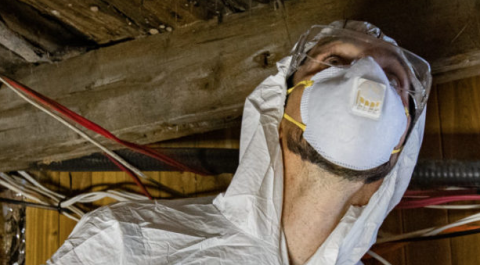
Mold Preventing
Home Sale?
Mold Damage From Past Leak?
Mold Smell in Attic, Bathroom, or Basement
CALL US TODAY!
Home Owners
Realtors
Home inspectors
Your Affordable Mold Removal Focused Company
We Identify Mold, Remove, Disinfect, and Seal
We are an owner-operated, mold-removal focused company, that is designed to efficiently and affordably service your mold problem. How? We are NOT a franchised based water/ fire restoration company that focuses on expensive demolition and insurance-based jobs. We open less than 15% of our customers’ walls or flooring. MassMold’s client base is home owners who simply need to remove mold from their homes at a reasonable price.
Not all mold is dangerous! Don’t let other mold testing companies scare you. More scenarios require mold remediation services than simply water-damage events. Other situations that demand swift action by removal and remediation experts include:
- Attic & Basement Mold Removal
- Kitchen & Bathroom Mold Removal
- leaks in plumbing pipes or appliances (dishwasher, toilet, or garbage disposal) that are not noticed or visible
- Rooms, basements, or unseen, dark areas (crawl spaces or attics) where humidity is too high and damp air is trapped for an extended period
- Flooding events where remediation does not begin within 48–72 hours
- Cracks in exterior walls that allow water to seep into the building frame
- Leaks through roofs and exterior siding
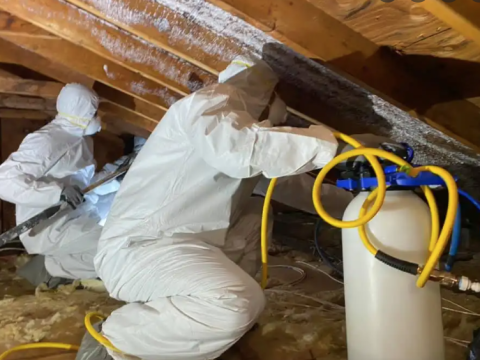

Residential Mold Removal and Remediation Services Certified 5 Year Warranty
Mold Removal Company Peabody
A mold removal company in Peabody handles what many homeowners discover too late: mold growing silently in attics, basements, and crawl spaces where moisture accumulates and visibility is poor. MassMold serves Peabody and Greater Boston with specialized mold remediation that prioritizes finding the problem accurately before removing it, keeping structural damage minimal and costs predictable.
The Peabody Moisture Problem
Peabody sits in the North Shore industrial and residential corridor, where homes range from older wood-frame buildings to mid-century colonials and updated properties. The area's proximity to water, seasonal humidity swings, and aging basement infrastructure create consistent conditions for mold growth. Many Peabody homeowners encounter mold during basement renovations, after roof leaks, or in attics where ventilation has degraded over decades.
A homeowner in Peabody contacted MassMold after noticing a musty odor in the master bedroom closet and visible discoloration on the back wall. The previous summer had brought heavy rain; water had likely entered through a foundation crack or settled in the rim joist. The homeowner had obtained two other estimates. Both recommended opening the wall immediately and replacing framing. The cost and disruption were significant concerns, particularly because the homeowner had young children and wanted to minimize dust and construction time.
MassMold's Approach to Inspection and Non-Invasive Solutions
Rather than recommending immediate demolition, MassMold began with comprehensive mold testing and inspection. This process included:
- Visual inspection of the affected closet, adjacent walls, and attic space above the bedroom
- Moisture mapping using non-invasive meters to identify where moisture was active and where it had dried
- Air quality testing to assess whether mold spores had spread into the living space
- Lab analysis of samples taken from the visible discoloration
The findings showed mold limited to a localized section of the rim joist and interior framing, with moisture levels that indicated an active but contained problem. Critically, the mold had not penetrated deeply into the structural wood-it was surface-level colonization on wood that remained structurally sound.
MassMold's remediation strategy avoided opening the wall. Instead, the team:
- Isolated the affected area with temporary containment to prevent spore release into other rooms
- Treated the mold-affected wood with specialized removal methods that eliminated the colony without requiring framing replacement
- Addressed the moisture source by sealing the foundation crack and improving drainage at the exterior
- Installed a small dehumidifier in the closet space and improved attic ventilation to prevent recurrence
Because the cause-water entry through a foundation crack-was corrected, the conditions that allowed mold to grow were eliminated. The wall remained closed. Disruption to the household lasted four days instead of the two to three weeks the other estimates had projected.
Results and Ongoing Protection
After remediation, follow-up moisture readings showed the rim joist and framing at normal levels. Air quality testing confirmed that mold spores in the bedroom had returned to baseline. The homeowner received a certified 5-year warranty covering the treated area, with written documentation of what was done and why.
Six months later, during a routine moisture check requested by the homeowner, readings remained stable. The foundation crack had stayed sealed, and no new mold growth had appeared. The closet was usable again without odor.
This outcome reflects the difference between invasive guesswork and informed remediation. The Peabody homeowner avoided unnecessary structural work, kept costs within budget, minimized household disruption, and gained verifiable assurance that the problem would not return during the warranty period.
If you are dealing with mold in Peabody or elsewhere in the Greater Boston area-whether you have visible growth, moisture concerns, or are preparing a property for sale-MassMold can provide certified testing, honest assessment, and remediation designed around your specific situation. Get in touch to discuss what you are seeing and explore your options.
Frequently Asked Questions
How much does mold removal cost in Peabody?
Cost depends on the extent of mold, whether structural work is needed, and the complexity of moisture control. MassMold provides estimates after inspection; many Peabody jobs avoid expensive wall opening, which keeps costs lower than industry estimates that assume invasive removal.
Can mold be removed without opening walls?
Yes, in many cases. MassMold removes mold without opening walls in over 85 percent of jobs. Whether walls can stay closed depends on how deep the mold has penetrated and whether it has compromised structural integrity-factors only inspection can determine.
What causes mold in Peabody basements and attics?
The North Shore climate brings seasonal humidity, and older homes often have foundation cracks, poor drainage, or deteriorated roof and attic ventilation. These allow moisture to settle in below-grade and upper spaces where mold thrives in darkness.
How long does mold remediation take?
Non-invasive remediation in a localized area typically takes three to five days. More extensive work or structural replacement can take longer. MassMold will provide a timeline during the initial inspection.
Do I need mold testing before removal?
Testing confirms what type of mold is present, how far it has spread, and whether spores have entered indoor air. It also documents the problem for insurance, real estate transactions, or warranty purposes. MassMold includes testing as part of the inspection process.
Is mold removal covered by homeowners insurance?
Coverage depends on your policy and whether mold resulted from a covered peril like sudden water damage from a burst pipe. Insurance typically does not cover mold from ongoing moisture or poor maintenance. MassMold can discuss what your policy may cover during the consultation.
What happens if mold comes back?
MassMold provides a certified 5-year warranty on remediated areas. If mold returns within that period due to the original cause, the work is covered. The warranty is only valid if the moisture source has been corrected and remains corrected.

FAST AND EFFICIENT PROCESS
MassMold is dedicated to helping you ensure that the property you or your clients want to buy or sell, is free from harmful mold that may pose a health risk if left unresolved.
Once we’ve determined the extent of the issue, we create a detailed plan of action to remove mold, clean your air, and restore your property. This full-service process is performed by highly trained technicians using state-of-the-art equipment, so you can be confident your home’s indoor air quality after our services.
We are passionate about not only identifying problems, but also recommending a course of action to resolve them quickly, so that you can rest assured that the house you are considering buying or selling meets all health and safety standards and is fit for habitation.
Why Do I have Mold in My Attic?
Improper Bath Fan to Soffit and Attic Venting
Soffit vents usually allow fresh air to flow into the attic, but they do not provide an exhaust mechanism. The best way to vent a bath fan out of the attic is through a vent in the roof itself. Also, a bath fan that vents directly into the attic is a guaranteed attic mold problem and oftentimes homeowners require professional attic mold removal services as a result.
Blocked Soffit Vents: Proper attic ventilation welcomes fresh air in and pushes moist air out. Generally speaking, attic ventilation relies on the fact that heat rises.
Humidifier Set Too High: Is your HVAC system over-humidifying your indoor air? It is best if you can maintain the relative humidity level within your home to between 40% and 60%.

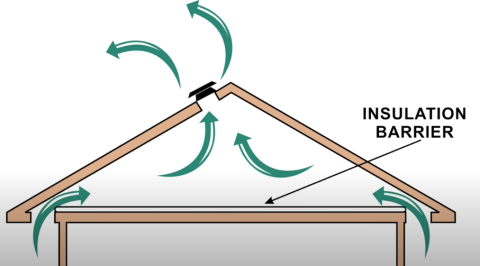
Attic Ventilation Design and Needs
Poor attic ventilation and insulation deficiencies
may have caused condensation within your attic space. The suspected source of mold in your attic is likely a result of a mixture of mold spores and excessive condensation within the attic space that have settled on organic wood material. The general rule, on the amount of total attic vent space needed, is to have at least one square foot of vent space for every 150 square feet of attic area. Ideally, half the vents should be located in the soffit at the bottom of the roof and half in gable or ridge vents near the top to allow for natural circulation of air through the attic.
Attic ventilation temperature differential
Keeping the air temperature in the attic relatively similar to the surface temperature of the wood is crucial. If there is a differential between the two, you end up reaching dew point causing excessive condensation resulting in mold growth.
How We Treat Mold in Your Crawl Space
MassMold takes a comprehensive approach to crawl space mold removal. Our thorough inspection allows us to create a plan that is tailored to your home, ensuring effective results. We’ll start by isolating the mold so that it doesn’t spread during the treatment process. Then, we’ll get started on the mold abatement process, which involves a combination of chemical applications and other procedures, to completely eliminate crawl space mold.
You can rest assured that MassMold will do a thorough job with your crawl space mold removal.