Mold Preventing
Home Sale?
Mold Damage From Past Leak?
Mold Smell in Attic, Bathroom, or Basement
CALL US TODAY!
Home Owners
Realtors
Home inspectors
Your Affordable Mold Removal Focused Company
We Identify Mold, Remove, Disinfect, and Seal
We are an owner-operated, mold-removal focused company, that is designed to efficiently and affordably service your mold problem. How? We are NOT a franchised based water/ fire restoration company that focuses on expensive demolition and insurance-based jobs. We open less than 15% of our customers’ walls or flooring. MassMold’s client base is home owners who simply need to remove mold from their homes at a reasonable price.
Not all mold is dangerous! Don’t let other mold testing companies scare you. More scenarios require mold remediation services than simply water-damage events. Other situations that demand swift action by removal and remediation experts include:
- Attic & Basement Mold Removal
- Kitchen & Bathroom Mold Removal
- leaks in plumbing pipes or appliances (dishwasher, toilet, or garbage disposal) that are not noticed or visible
- Rooms, basements, or unseen, dark areas (crawl spaces or attics) where humidity is too high and damp air is trapped for an extended period
- Flooding events where remediation does not begin within 48–72 hours
- Cracks in exterior walls that allow water to seep into the building frame
- Leaks through roofs and exterior siding
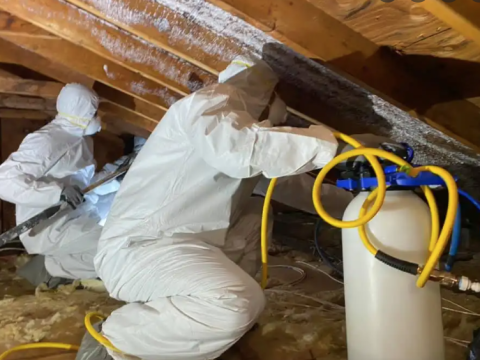

Residential Mold Removal and Remediation Services Certified 5 Year Warranty
Mold Remediation Lexington
Mold remediation in Lexington starts with recognizing the problem early and taking deliberate action to stop it before it spreads through your home. You notice a soft patch on the bathroom ceiling, or your basement smells earthy and damp after heavy rain. A few dark spots appear in a corner of the attic. These are the moments when homeowners in Lexington and the surrounding area need to know exactly what to do next. MassMold specializes in helping families like yours identify mold, test for it properly, and remove it in ways that preserve your home's structure and your peace of mind.
Step 1: Identify Potential Mold Growth Areas in Your Home
Start by walking through your home and looking for the conditions mold loves: moisture, poor ventilation, and darkness. Check your attic for roof leaks or condensation around vents. Inspect your basement or crawl space for standing water, seepage along foundation walls, or that characteristic musty smell. Bathrooms are common trouble spots, especially around shower tiles, under sinks, and near exhaust fans that may not be venting outside. Examine the underside of kitchen cabinets and around window frames where water can collect.
Don't limit yourself to what you can see. Mold often grows behind walls and under flooring where moisture is trapped but out of sight. If you have a wet basement or noticed water damage from a pipe leak or flood, those areas are prime candidates even if they look dry now. Make notes of any areas with visible discoloration, peeling paint, warped wood, or soft drywall. The goal here is to create a map of your home's moisture vulnerabilities before you bring in professionals to test and confirm.
Step 2: Get Professional Mold Testing and Air Quality Assessment
Once you've identified suspect areas, the next step is confirmation through professional testing. MassMold provides comprehensive mold inspection and air quality testing that goes beyond what your eyes can detect. A certified inspector will take samples from the areas you've flagged, often using specialized equipment to check for mold spores in the air itself. This testing tells you not just whether mold is present, but what type it is and how concentrated it is compared to outdoor levels.
Air quality testing is especially important if anyone in your household has respiratory concerns, allergies, or sensitivities. Testing quantifies the problem so you understand the scope of remediation needed and can make informed decisions about your next steps. The results become your baseline: after remediation is complete, follow-up testing confirms that the problem has been solved and air quality is back to normal levels.
Step 3: Plan Your Remediation Strategy
Not every mold problem requires tearing open walls and gutting rooms. MassMold takes a non-invasive approach, opening walls in less than 15 percent of cases. Based on your testing results and the location of the mold, your remediation plan might involve targeted removal of affected materials, application of antimicrobial treatments, or simply addressing the moisture source that allowed mold to grow in the first place. If the mold is on drywall in your bathroom, sometimes that means replacing the drywall panel. If it's in your attic on exposed wood, it may mean cleaning and treating the wood rather than full replacement.
The strategy also addresses root cause. If your basement stays damp because your gutters aren't channeling water far enough from the foundation, that gets fixed. If your attic lacks proper ventilation, that changes. A mold remediation plan is only complete when it answers: why did the mold grow here, and what will stop it from coming back? MassMold includes this prevention step as standard practice, backed by a five-year warranty so you're protected if problems recur.
Step 4: Execute Removal and Remediation
During active remediation, the affected areas are isolated to prevent mold spores from spreading to clean parts of your home. Materials that cannot be salvaged are carefully removed and disposed of according to regulations. Affected surfaces are cleaned with appropriate antimicrobial solutions. Any structural damage is assessed and repaired. In cases where drywall, insulation, or flooring has been compromised, it is replaced with new materials that meet code and will resist moisture.
The timeline depends on the scope. A small bathroom mold issue might be resolved in a few days. Larger problems affecting multiple rooms or structural elements take longer. MassMold keeps you informed throughout the process and works efficiently to minimize disruption to your daily life while ensuring thorough, lasting results.
Step 5: Verify Results and Establish Prevention
After remediation is complete, follow-up air quality testing confirms that mold levels have returned to normal. Visual inspection ensures all affected materials have been properly cleaned or replaced. MassMold provides you with documentation of all work completed, test results before and after, and any warranties or guarantees on the remediation. This documentation is valuable if you're selling your home or dealing with insurance claims related to water damage.
Prevention is the final step. This might mean installing a dehumidifier in your basement, upgrading bathroom ventilation, improving attic airflow, or establishing a routine to inspect vulnerable areas seasonally. Many homeowners find that regular inspections once or twice a year catch moisture problems early, before they turn into mold problems. The investment in prevention now saves far more in remediation costs later.
| Approach | Best For | Timeline | Structural Disruption |
|---|---|---|---|
| Targeted surface cleaning and treatment | Small, visible mold on accessible surfaces | 1-3 days | Minimal |
| Partial material removal and replacement | Mold in drywall, insulation, or trim that cannot be salvaged | 3-7 days | Low |
| Comprehensive remediation with moisture control upgrades | Extensive mold, systemic moisture problems, basement or attic issues | 1-3 weeks | Moderate |
If you're a homeowner in Lexington dealing with mold, a realtor handling a property with mold discovery, or a home inspector who needs reliable remediation partners, MassMold is ready to help. Reach out to discuss your situation and get a clear picture of what remediation will look like for your specific property.
Frequently Asked Questions
How much does mold remediation cost in Lexington?
Costs vary based on the size of the affected area, type of mold, and whether structural materials need replacement. Small targeted removals may cost significantly less than large-scale basement or attic remediation. MassMold provides transparent assessments so you understand the scope and expense before work begins.
What is the difference between mold removal and mold remediation?
Mold removal means physically taking out moldy materials. Mold remediation is the complete process: identification, removal, cleaning, repair, and prevention of future growth. Remediation addresses the moisture source so the problem doesn't return.
How long does mold remediation take?
Small jobs may take one to three days, while larger projects affecting multiple rooms or requiring structural repairs can take one to three weeks. The timeline depends on how much mold is present, where it is located, and whether you choose to upgrade ventilation or moisture control at the same time.
Do I need air quality testing after mold is removed?
Yes. Follow-up air quality testing confirms that mold spore levels have returned to normal and that remediation was successful. This is especially important if family members have respiratory sensitivity or if you're preparing your home for sale.
Can mold come back after remediation?
Mold returns only if moisture returns. That's why addressing the root cause-leaky roofs, poor ventilation, foundation seepage-is essential. MassMold backs remediation work with a five-year warranty so you're protected if problems recur despite proper prevention.
Will mold remediation require opening up my walls?
Not always. MassMold uses non-invasive approaches and opens walls in less than 15 percent of cases. If mold is visible on the surface or in accessible areas, it can often be treated without structural disruption. Walls are opened only when mold has penetrated behind them.
Is mold remediation necessary for home sales in Lexington?
If a home inspection uncovers mold, disclosure and remediation are typically required or expected by buyers and lenders. Addressing mold professionally before listing or responding to buyer requests protects your sale and avoids price reductions or deal collapse.

FAST AND EFFICIENT PROCESS
MassMold is dedicated to helping you ensure that the property you or your clients want to buy or sell, is free from harmful mold that may pose a health risk if left unresolved.
Once we’ve determined the extent of the issue, we create a detailed plan of action to remove mold, clean your air, and restore your property. This full-service process is performed by highly trained technicians using state-of-the-art equipment, so you can be confident your home’s indoor air quality after our services.
We are passionate about not only identifying problems, but also recommending a course of action to resolve them quickly, so that you can rest assured that the house you are considering buying or selling meets all health and safety standards and is fit for habitation.
Why Do I have Mold in My Attic?
Improper Bath Fan to Soffit and Attic Venting
Soffit vents usually allow fresh air to flow into the attic, but they do not provide an exhaust mechanism. The best way to vent a bath fan out of the attic is through a vent in the roof itself. Also, a bath fan that vents directly into the attic is a guaranteed attic mold problem and oftentimes homeowners require professional attic mold removal services as a result.
Blocked Soffit Vents: Proper attic ventilation welcomes fresh air in and pushes moist air out. Generally speaking, attic ventilation relies on the fact that heat rises.
Humidifier Set Too High: Is your HVAC system over-humidifying your indoor air? It is best if you can maintain the relative humidity level within your home to between 40% and 60%.

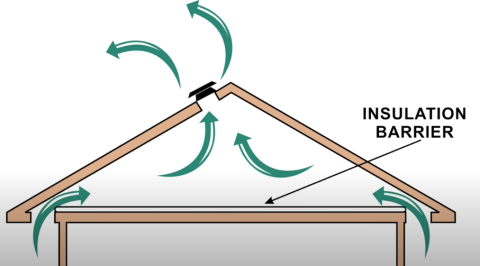
Attic Ventilation Design and Needs
Poor attic ventilation and insulation deficiencies
may have caused condensation within your attic space. The suspected source of mold in your attic is likely a result of a mixture of mold spores and excessive condensation within the attic space that have settled on organic wood material. The general rule, on the amount of total attic vent space needed, is to have at least one square foot of vent space for every 150 square feet of attic area. Ideally, half the vents should be located in the soffit at the bottom of the roof and half in gable or ridge vents near the top to allow for natural circulation of air through the attic.
Attic ventilation temperature differential
Keeping the air temperature in the attic relatively similar to the surface temperature of the wood is crucial. If there is a differential between the two, you end up reaching dew point causing excessive condensation resulting in mold growth.
How We Treat Mold in Your Crawl Space
MassMold takes a comprehensive approach to crawl space mold removal. Our thorough inspection allows us to create a plan that is tailored to your home, ensuring effective results. We’ll start by isolating the mold so that it doesn’t spread during the treatment process. Then, we’ll get started on the mold abatement process, which involves a combination of chemical applications and other procedures, to completely eliminate crawl space mold.
You can rest assured that MassMold will do a thorough job with your crawl space mold removal.