Mold Preventing
Home Sale?
Mold Damage From Past Leak?
Mold Smell in Attic, Bathroom, or Basement
CALL US TODAY!
Home Owners
Realtors
Home inspectors
Your Affordable Mold Removal Focused Company
We Identify Mold, Remove, Disinfect, and Seal
We are an owner-operated, mold-removal focused company, that is designed to efficiently and affordably service your mold problem. How? We are NOT a franchised based water/ fire restoration company that focuses on expensive demolition and insurance-based jobs. We open less than 15% of our customers’ walls or flooring. MassMold’s client base is home owners who simply need to remove mold from their homes at a reasonable price.
Not all mold is dangerous! Don’t let other mold testing companies scare you. More scenarios require mold remediation services than simply water-damage events. Other situations that demand swift action by removal and remediation experts include:
- Attic & Basement Mold Removal
- Kitchen & Bathroom Mold Removal
- leaks in plumbing pipes or appliances (dishwasher, toilet, or garbage disposal) that are not noticed or visible
- Rooms, basements, or unseen, dark areas (crawl spaces or attics) where humidity is too high and damp air is trapped for an extended period
- Flooding events where remediation does not begin within 48–72 hours
- Cracks in exterior walls that allow water to seep into the building frame
- Leaks through roofs and exterior siding
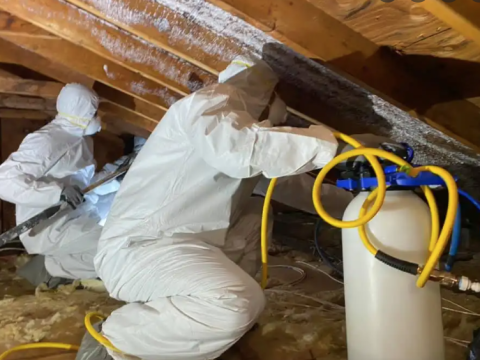

Residential Mold Removal and Remediation Services Certified 5 Year Warranty
Mold Remediation Chelmsford
Mold remediation in Chelmsford requires a methodical approach that starts with identifying the problem, understanding its scope, and executing safe removal before moisture returns. MassMold serves homeowners and property professionals throughout Chelmsford and Greater Boston with comprehensive mold testing, inspection, and removal that prioritizes your health and minimizes structural damage. This guide walks you through the essential steps to address mold in your Chelmsford home effectively.
Chelmsford residents-whether in single-family homes near the town center, properties in the north end near the New Hampshire border, or developments around the residential areas-face mold risks tied to New England's humid summers, spring snowmelt, and aging basements. Many older Chelmsford homes have attics and cellars where moisture accumulates, and newer construction can trap moisture if ventilation falls short. Understanding how to assess and remediate mold means protecting your investment and the air your family breathes.
Step 1: Identify Visible Mold and Moisture Sources
Begin by inspecting the areas where mold typically grows: basements, crawl spaces, attics, bathrooms, and around windows. Look for black, green, or white patches on surfaces, discoloration on drywall or wood, and a musty odor. Mold often appears after water damage, condensation, or persistent humidity. Check for active water intrusion-stains on walls, efflorescence on concrete, or dampness after rain-because mold will not stop growing until the moisture source is controlled.
Pay close attention to HVAC ducts, insulation, and wooden framing, where mold can hide. In Chelmsford basements, check the foundation walls and sump pump areas. In attics, inspect the underside of the roof deck and around pipe penetrations. Document what you see with photos and note the approximate area affected. This groundwork tells you whether the problem is contained or widespread, which determines your next move.
Step 2: Order Professional Mold Testing and Inspection
Do not assume all discoloration is mold, and do not guess at air quality. Professional mold testing in Chelmsford identifies what species are present, where they are growing, and whether spore levels in your home exceed outdoor baseline levels. MassMold conducts both surface sampling and air quality testing, giving you certainty before remediation begins. Testing also protects you if the property is being sold or financed, since lenders and buyers increasingly require documentation.
A certified inspector will also locate moisture sources you may have missed-inadequate attic ventilation, roof leaks, condensation on cold pipes, or foundation cracks. This detective work is critical because remediation without fixing the moisture problem is temporary. The testing report becomes your roadmap: it shows exactly what needs to be removed and what must be fixed to prevent recurrence.
Step 3: Control Moisture and Contain the Affected Area
Before removal begins, stop the moisture. This means fixing roof leaks, sealing foundation cracks, improving drainage around your Chelmsford home's foundation, or addressing plumbing issues. It also means managing humidity: run exhaust fans in bathrooms and the kitchen, use a dehumidifier if needed, and ensure gutters and downspouts direct water away from the house. Without these steps, mold will return within weeks or months.
During remediation, the work area must be contained to prevent spores from spreading to clean spaces. MassMold uses physical barriers, negative air pressure, and HEPA filtration to isolate affected zones. This containment is especially important in occupied homes where family members have respiratory sensitivities. Non-invasive techniques mean opening walls in fewer than 15 percent of cases, so most Chelmsford homes can be remediated without major construction.
Step 4: Remove Contaminated Materials and Clean Surfaces
Mold remediation involves removing porous materials that cannot be cleaned-insulation, drywall, subflooring, and trim that are heavily colonized. Hard surfaces like concrete, tile, and solid wood can usually be cleaned with appropriate cleaners and agitation. The scope depends on how deep the mold has penetrated and the material's condition. A professional will decide what comes out and what can stay, balancing effectiveness against cost and disruption.
All removed materials must be bagged, sealed, and disposed of properly. After removal, all surfaces in the work area are cleaned and treated with appropriate antimicrobial solutions. Ductwork, if affected, is professionally cleaned or replaced. The goal is a space free of both visible mold and residual spores. Once the work is complete, final testing confirms that spore levels have returned to normal.
Step 5: Verify Results and Establish Prevention
After remediation, request post-remediation testing to confirm that mold has been eliminated and air quality is restored. This verification step protects you and gives peace of mind. It also provides documentation for insurance claims or real estate transactions in Chelmsford. A mold remediation company worth hiring stands behind its work-MassMold provides a certified 5-year warranty, meaning if mold returns in treated areas, they return to fix it.
Prevention is the final step. Maintain proper attic and crawl space ventilation, insulate cold pipes to reduce condensation, keep gutters clean, grade soil away from your foundation, and monitor humidity levels indoors. If you have a sump pump, ensure it is working and the discharge line is extended away from the house. In Chelmsford's climate, staying ahead of moisture is the most cost-effective insurance against recurring mold. Regular inspections of high-risk areas-especially after heavy rain or snowmelt-catch small problems before they become large ones.
If you suspect mold in your Chelmsford home, or if you are a realtor, home inspector, or property professional needing remediation support, reach out to MassMold. We'll assess your situation, explain what you are facing, and provide a clear plan. Contact us to schedule an inspection and get started.
Frequently Asked Questions
How much does mold remediation cost in Chelmsford?
Cost depends on the size and location of the mold, how deep it has penetrated, and which materials must be removed. Small bathroom mold might cost far less than attic remediation affecting insulation and framing. MassMold provides a detailed estimate after inspection, so you know the scope and price before work begins.
How long does mold remediation take?
Simple surface mold removal can take one to three days. Larger jobs affecting multiple areas or requiring material removal may take one to two weeks, including drying time. The timeline also depends on moisture control-fixing a roof leak or basement drainage may extend the project, but it is essential to prevent recurrence.
What should I do if I find mold in my Chelmsford basement?
First, identify the moisture source-foundation cracks, groundwater seepage, condensation, or poor drainage. Do not disturb the mold yourself; spores spread easily. Call for professional testing and inspection to confirm mold presence and plan safe removal. Once the moisture source is fixed and mold is remediated, keep the basement dry with a sump pump, dehumidifier, or improved ventilation.

FAST AND EFFICIENT PROCESS
MassMold is dedicated to helping you ensure that the property you or your clients want to buy or sell, is free from harmful mold that may pose a health risk if left unresolved.
Once we’ve determined the extent of the issue, we create a detailed plan of action to remove mold, clean your air, and restore your property. This full-service process is performed by highly trained technicians using state-of-the-art equipment, so you can be confident your home’s indoor air quality after our services.
We are passionate about not only identifying problems, but also recommending a course of action to resolve them quickly, so that you can rest assured that the house you are considering buying or selling meets all health and safety standards and is fit for habitation.
Why Do I have Mold in My Attic?
Improper Bath Fan to Soffit and Attic Venting
Soffit vents usually allow fresh air to flow into the attic, but they do not provide an exhaust mechanism. The best way to vent a bath fan out of the attic is through a vent in the roof itself. Also, a bath fan that vents directly into the attic is a guaranteed attic mold problem and oftentimes homeowners require professional attic mold removal services as a result.
Blocked Soffit Vents: Proper attic ventilation welcomes fresh air in and pushes moist air out. Generally speaking, attic ventilation relies on the fact that heat rises.
Humidifier Set Too High: Is your HVAC system over-humidifying your indoor air? It is best if you can maintain the relative humidity level within your home to between 40% and 60%.

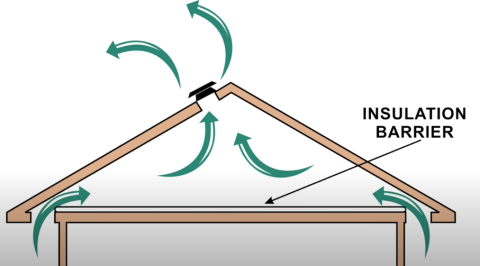
Attic Ventilation Design and Needs
Poor attic ventilation and insulation deficiencies
may have caused condensation within your attic space. The suspected source of mold in your attic is likely a result of a mixture of mold spores and excessive condensation within the attic space that have settled on organic wood material. The general rule, on the amount of total attic vent space needed, is to have at least one square foot of vent space for every 150 square feet of attic area. Ideally, half the vents should be located in the soffit at the bottom of the roof and half in gable or ridge vents near the top to allow for natural circulation of air through the attic.
Attic ventilation temperature differential
Keeping the air temperature in the attic relatively similar to the surface temperature of the wood is crucial. If there is a differential between the two, you end up reaching dew point causing excessive condensation resulting in mold growth.
How We Treat Mold in Your Crawl Space
MassMold takes a comprehensive approach to crawl space mold removal. Our thorough inspection allows us to create a plan that is tailored to your home, ensuring effective results. We’ll start by isolating the mold so that it doesn’t spread during the treatment process. Then, we’ll get started on the mold abatement process, which involves a combination of chemical applications and other procedures, to completely eliminate crawl space mold.
You can rest assured that MassMold will do a thorough job with your crawl space mold removal.