Mold Preventing
Home Sale?
Mold Damage From Past Leak?
Mold Smell in Attic, Bathroom, or Basement
CALL US TODAY!
Home Owners
Realtors
Home inspectors
Your Affordable Mold Removal Focused Company
We Identify Mold, Remove, Disinfect, and Seal
We are an owner-operated, mold-removal focused company, that is designed to efficiently and affordably service your mold problem. How? We are NOT a franchised based water/ fire restoration company that focuses on expensive demolition and insurance-based jobs. We open less than 15% of our customers’ walls or flooring. MassMold’s client base is home owners who simply need to remove mold from their homes at a reasonable price.
Not all mold is dangerous! Don’t let other mold testing companies scare you. More scenarios require mold remediation services than simply water-damage events. Other situations that demand swift action by removal and remediation experts include:
- Attic & Basement Mold Removal
- Kitchen & Bathroom Mold Removal
- leaks in plumbing pipes or appliances (dishwasher, toilet, or garbage disposal) that are not noticed or visible
- Rooms, basements, or unseen, dark areas (crawl spaces or attics) where humidity is too high and damp air is trapped for an extended period
- Flooding events where remediation does not begin within 48–72 hours
- Cracks in exterior walls that allow water to seep into the building frame
- Leaks through roofs and exterior siding
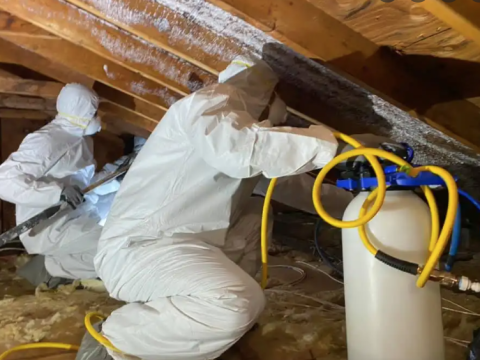

Residential Mold Removal and Remediation Services Certified 5 Year Warranty
Mold Cleaning Services Needham Heights
Mold cleaning services in Needham Heights address a specific problem: identification and removal of mold growth from residential properties, paired with moisture control to prevent recurrence. For homeowners in this affluent suburban community west of Boston, mold is not merely a cosmetic issue-it affects property value, indoor air quality, and structural integrity. Understanding what quality service looks like helps you make an informed choice when you discover mold or suspect it may be present.
Needham Heights residents face particular vulnerabilities. The area's mature homes, combined with the humid New England climate and aging basements, create conditions where mold thrives. Whether you are preparing to sell, addressing a moisture problem you have noticed, or conducting a pre-purchase inspection, knowing the fundamentals of how these services work ensures you get effective results without unnecessary structural damage or inflated costs.
1. Professional Inspection Determines Your Actual Risk
A mold inspection is not guesswork. It combines visual assessment, moisture mapping, and often air quality sampling to establish whether mold is actually present and at what concentration. Many homeowners in Needham Heights assume they can spot mold visually, but mold often hides behind walls, under flooring, or in attic spaces where you cannot see it. MassMold uses targeted inspection methods to locate growth before it becomes extensive, which saves both money and structural damage down the line.
The inspection also identifies moisture sources-the root cause of mold. A leaking roof, poor grading around the foundation, inadequate attic ventilation, or plumbing issues may all be contributing. Without addressing the source, mold removal alone is temporary. A thorough inspection report tells you not just where mold is, but why it is there and what needs to change to keep it from returning.
2. Mold Cleaning Services Needham Heights Vary in Invasiveness
One critical difference between service providers is how much of your home they must open up to remove mold. Some companies treat every mold issue as a reason to cut into drywall, remove insulation, and reconstruct large sections-creating weeks of disruption and thousands in collateral damage. MassMold operates on a different principle: non-invasive remediation first, structural opening only when absolutely necessary. Data from their work shows walls are opened in less than 15% of cases, meaning most mold issues are resolved without major renovation.
This approach requires skill and experience. It means using containment, HEPA filtration, and targeted removal techniques that work from the surface inward rather than assuming destruction is the only solution. For homeowners in Needham Heights-where properties tend to be well-maintained and structurally sound-this methodology preserves the integrity and appearance of your home while still eliminating the problem thoroughly.
3. Testing Methods Affect Accuracy and Cost
Not all mold testing is equal. Some providers use outdated or incomplete methods; others over-test to justify higher service costs. The main testing approaches differ in what they reveal:
| Testing Method | What It Detects | Best Use Case | Typical Timeframe |
|---|---|---|---|
| Visual inspection with moisture meter | Visible mold and moisture levels | Initial assessment, locating problem areas | Same day |
| Air quality sampling (spore count) | Mold spore concentration in the air | Confirming indoor air is safe, post-remediation verification | 3-5 business days for lab results |
| Surface swab or tape lift | Mold species present on surfaces | Identifying specific mold types for targeted removal | 3-5 business days for lab results |
| Bulk sampling (material analysis) | Mold embedded in building materials | Assessing whether insulation, drywall, or wood is compromised | 3-5 business days for lab results |
A reputable service starts with visual inspection and moisture measurement, then orders lab testing only where it will actually change the remediation plan. If your home shows no visible mold but you are concerned about air quality-perhaps due to respiratory symptoms in your family-air testing makes sense. If mold is clearly visible, you need removal, not weeks of waiting for lab confirmation of what you can already see.
4. Attics and Basements Are the Two Most Common Mold Sites in Older Homes
Needham Heights has many properties built in the 1950s through 1980s. These homes often have attics with inadequate ventilation and basements built partly below grade, both of which are mold magnets. Attic mold typically stems from moisture-laden air rising from the living spaces below, poor roof ventilation, or ice dam damage. Basement mold comes from water infiltration, high water tables, and condensation on cold surfaces during humid months.
The remediation approach differs. Attic work focuses on improving ventilation, removing contaminated insulation where necessary, and treating any wood framing. Basement work typically involves addressing water intrusion first-foundation sealing, sump pump installation, or grading adjustments-before mold can be effectively removed. MassMold handles both environments, understanding that a basement mold solution that ignores standing water, or an attic treatment that leaves ventilation unchanged, will fail. The moisture control is inseparable from the mold removal.
5. A Warranty Reflects the Provider's Confidence in Their Work
When mold returns within a short time after remediation, it usually means either the moisture source was not addressed or the removal was incomplete. A service provider who guarantees their work for a defined period is betting they handled both correctly. MassMold backs their remediation with a certified warranty, which is a concrete assurance that they stand behind the job.
Before hiring any service, ask what is guaranteed and for how long. A vague promise or a warranty that excludes new water damage is less valuable than one that covers recurrence of the same mold growth under normal conditions. For homeowners in Needham Heights selling their property or concerned about long-term air quality, this warranty is your protection against hidden defects resurfacing months or years later.
6. Remediation Costs Depend on Scope, Not Just Square Footage
A mold removal quote that is based solely on the size of your home is likely inaccurate. The real cost drivers are the extent of growth, the locations affected, whether structural opening is required, and what moisture fixes are needed. A small visible patch in a basement might cost less than extensive hidden growth in an attic, even if the attic is smaller. A home with excellent drainage and a single water leak is cheaper to fix than one with chronic moisture issues.
This is why the initial inspection matters so much. MassMold can give you a realistic estimate only after assessing the actual problem. Homeowners in Needham Heights often find that early action-addressing mold the moment it appears-prevents expensive later remediation. A small area treated now costs far less than allowing it to spread through framing or insulation.
7. Real Mold Prevention Requires Ongoing Moisture Management
After mold is removed, it does not automatically stay gone. You can prevent recurrence by managing the conditions that allowed it in the first place. This means maintaining roof integrity, ensuring gutters and downspouts direct water away from the foundation, keeping basement sumps and drainage systems functional, and running exhaust fans in kitchens and bathrooms.
Because mold requires moisture and a food source (organic materials like wood and drywall), controlling humidity and moisture is the single most effective prevention strategy. With moisture controlled, mold cannot establish itself again.
In Needham Heights, where many homes have basements and older attics, seasonal maintenance is especially important. Spring and fall inspections for roof leaks, summer checks on sump pump operation, and winter attention to ice dams can intercept moisture problems before they become mold problems. MassMold can advise on specific prevention measures for your home's layout and condition.
If you have noticed discoloration, odor, or moisture in your home, or if you are preparing to buy or sell in Needham Heights and want professional confirmation of your property's condition, reach out to discuss your situation. MassMold can arrange an inspection and explain what you are actually dealing with-no pressure, just straightforward guidance on what needs to happen next.
Frequently Asked Questions
How much does mold remediation cost in Needham Heights?
Costs vary widely based on the extent of mold growth, locations affected, and whether structural opening is needed. A small contained area might run several hundred dollars, while extensive growth requiring multiple rooms and moisture corrections can be several thousand. Only an in-person inspection determines an accurate estimate.
Can I remove mold myself, or do I need a professional?
Small surface areas smaller than 10 square feet can sometimes be cleaned by the homeowner with proper containment and protective equipment. Larger growth, hidden mold, or mold in HVAC systems requires professional remediation to prevent spore spread and ensure complete removal. A professional inspection first tells you which category your situation falls into.
How long does mold remediation take?
Simple surface removal may take one to two days. Larger jobs involving containment, material removal, and moisture correction typically take three to seven days depending on access and the extent of work. Some jobs require follow-up work after structural drying, which can add a week or two.
Will mold come back after remediation?
Mold returns if the moisture source is not fixed. A proper remediation addresses both removal and moisture control. If your home develops a new leak or water intrusion after the work is complete, new mold growth is possible, but recurrence of the same mold issue should not happen if the original source was resolved.
Is mold inspection required before selling a home in Needham Heights?
Massachusetts does not require a separate mold inspection, but home inspectors often note visible mold or moisture concerns. Many buyers request mold testing as part of their due diligence. If mold is identified during inspection, addressing it before closing is often expected.
What is the difference between mold remediation and mold abatement?
Remediation means removing mold and addressing the moisture source to prevent recurrence. Abatement typically refers to containment and removal without necessarily fixing the underlying moisture problem. Remediation is the more complete solution but also usually costs more.
Can mold in my attic affect my living spaces below?
Yes. Spores and moisture-laden air from attics can migrate into living areas through ceiling penetrations, poor air sealing, and natural convection. If your attic has mold, it can contribute to indoor air quality issues and respiratory symptoms in sensitive individuals. Professional attic mold removal prevents this problem.

FAST AND EFFICIENT PROCESS
MassMold is dedicated to helping you ensure that the property you or your clients want to buy or sell, is free from harmful mold that may pose a health risk if left unresolved.
Once we’ve determined the extent of the issue, we create a detailed plan of action to remove mold, clean your air, and restore your property. This full-service process is performed by highly trained technicians using state-of-the-art equipment, so you can be confident your home’s indoor air quality after our services.
We are passionate about not only identifying problems, but also recommending a course of action to resolve them quickly, so that you can rest assured that the house you are considering buying or selling meets all health and safety standards and is fit for habitation.
Why Do I have Mold in My Attic?
Improper Bath Fan to Soffit and Attic Venting
Soffit vents usually allow fresh air to flow into the attic, but they do not provide an exhaust mechanism. The best way to vent a bath fan out of the attic is through a vent in the roof itself. Also, a bath fan that vents directly into the attic is a guaranteed attic mold problem and oftentimes homeowners require professional attic mold removal services as a result.
Blocked Soffit Vents: Proper attic ventilation welcomes fresh air in and pushes moist air out. Generally speaking, attic ventilation relies on the fact that heat rises.
Humidifier Set Too High: Is your HVAC system over-humidifying your indoor air? It is best if you can maintain the relative humidity level within your home to between 40% and 60%.

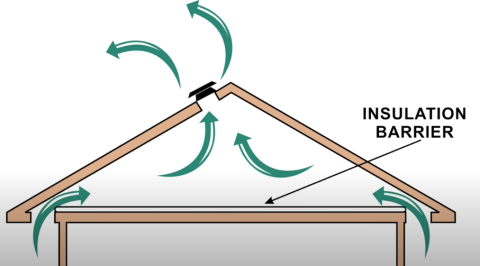
Attic Ventilation Design and Needs
Poor attic ventilation and insulation deficiencies
may have caused condensation within your attic space. The suspected source of mold in your attic is likely a result of a mixture of mold spores and excessive condensation within the attic space that have settled on organic wood material. The general rule, on the amount of total attic vent space needed, is to have at least one square foot of vent space for every 150 square feet of attic area. Ideally, half the vents should be located in the soffit at the bottom of the roof and half in gable or ridge vents near the top to allow for natural circulation of air through the attic.
Attic ventilation temperature differential
Keeping the air temperature in the attic relatively similar to the surface temperature of the wood is crucial. If there is a differential between the two, you end up reaching dew point causing excessive condensation resulting in mold growth.
How We Treat Mold in Your Crawl Space
MassMold takes a comprehensive approach to crawl space mold removal. Our thorough inspection allows us to create a plan that is tailored to your home, ensuring effective results. We’ll start by isolating the mold so that it doesn’t spread during the treatment process. Then, we’ll get started on the mold abatement process, which involves a combination of chemical applications and other procedures, to completely eliminate crawl space mold.
You can rest assured that MassMold will do a thorough job with your crawl space mold removal.