Mold Preventing
Home Sale?
Mold Damage From Past Leak?
Mold Smell in Attic, Bathroom, or Basement
CALL US TODAY!
Home Owners
Realtors
Home inspectors
Your Affordable Mold Removal Focused Company
We Identify Mold, Remove, Disinfect, and Seal
We are an owner-operated, mold-removal focused company, that is designed to efficiently and affordably service your mold problem. How? We are NOT a franchised based water/ fire restoration company that focuses on expensive demolition and insurance-based jobs. We open less than 15% of our customers’ walls or flooring. MassMold’s client base is home owners who simply need to remove mold from their homes at a reasonable price.
Not all mold is dangerous! Don’t let other mold testing companies scare you. More scenarios require mold remediation services than simply water-damage events. Other situations that demand swift action by removal and remediation experts include:
- Attic & Basement Mold Removal
- Kitchen & Bathroom Mold Removal
- leaks in plumbing pipes or appliances (dishwasher, toilet, or garbage disposal) that are not noticed or visible
- Rooms, basements, or unseen, dark areas (crawl spaces or attics) where humidity is too high and damp air is trapped for an extended period
- Flooding events where remediation does not begin within 48–72 hours
- Cracks in exterior walls that allow water to seep into the building frame
- Leaks through roofs and exterior siding

Residential Mold Removal and Remediation Services Certified 5 Year Warranty
Mold Cleaning Services Melrose
Mold cleaning services in Melrose address active mold contamination through inspection, testing, removal, and remediation-preventing structural damage and health risks in residential properties.
Melrose residents face particular mold challenges. The town's older housing stock, combined with New England humidity and aging basement and attic structures, creates ideal conditions for mold growth. Many homes built before modern vapor barriers and ventilation standards are especially vulnerable. When moisture infiltrates attics during spring thaw, accumulates in basements from groundwater, or develops in poorly ventilated bathrooms, mold colonization follows within 24 to 48 hours. This is not a cosmetic issue-untreated mold compromises wood framing, insulation value, and indoor air quality. MassMold serves Melrose homeowners with a direct, owner-operated approach: certified mold testing, precise identification of contamination sources, and targeted removal that preserves your home's structural integrity.
1. Professional Mold Testing Identifies Hidden Contamination
Surface-level visual inspection alone is insufficient. Mold often colonizes cavities inside walls, beneath subflooring, or within HVAC ductwork where it remains invisible until structural damage occurs. MassMold uses air quality testing and moisture mapping to locate active growth and quantify contamination levels. Air samples measure spore counts and identify mold species; moisture readings reveal the moisture sources sustaining growth. Because mold requires sustained moisture above 60% relative humidity, identifying and eliminating that moisture is the core of effective remediation.
In Melrose, testing is particularly valuable before purchase. Home inspectors often refer buyers to remediation specialists when they flag potential mold risk; MassMold's certified testing gives you objective data before closing, protecting your investment and allowing negotiation if remediation is needed.
2. Non-Invasive Removal Minimizes Structural Disruption
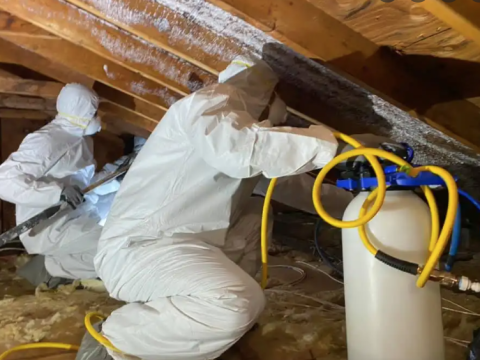
Opening walls to access mold is sometimes necessary, but it is not the default. MassMold's approach involves non-invasive techniques in over 85% of cases, opening walls in less than 15% of mold remediation jobs. This matters because cutting into framing, drywall, and insulation creates mess, cost, and time. Instead, targeted removal focuses on accessible contaminated materials-saturated insulation in attics, compromised drywall in basements, or degraded wood sills. HEPA-filtered equipment contains spores during extraction, preventing cross-contamination to unaffected areas.
For Melrose homeowners, non-invasive remediation means faster turnaround, lower labor costs, and no additional repairs. If structural inspection does reveal damage requiring wall opening, MassMold's technicians document the extent upfront so you understand the scope and cost before work begins.
3. Moisture Control Is the Foundation of Prevention
Removing visible mold without addressing moisture is temporary. Mold will return within weeks if conditions remain wet. MassMold's remediation includes moisture remediation: repairing roof leaks, sealing foundation cracks, improving attic ventilation, and installing or upgrading sump pump systems in basements. Because Melrose experiences significant seasonal moisture variation-ice dam leaks in winter, rising groundwater in spring-prevention requires year-round attention.
Humidity control is equally critical. In basements and attics, dehumidification and proper air exchange prevent relative humidity from climbing above the 55-60% threshold that supports mold growth. MassMold evaluates your home's ventilation and moisture barriers, recommending targeted upgrades that address root causes rather than treating symptoms.
4. Remediation Standards Vary-Certification Matters
Not all mold removal is equivalent. Industry standards define scope of work, containment protocols, and post-remediation verification. MassMold follows established remediation protocols that include containment barriers (to prevent spore migration), negative air pressure during removal, HEPA filtration, and post-remediation clearance testing. A certified 5-year warranty backs the work, giving you recourse if mold recurs under normal conditions.
Choosing a certified operator over unlicensed contractors reduces risk. Licensed technicians understand building science, proper containment, and clearance requirements. For Melrose residents dealing with real estate transactions, a certified remediation is often required by lenders or insurers and protects resale value.
5. Attic and Basement Mold Require Different Approaches
Attic mold typically stems from roof leaks, ice damming, or inadequate ventilation allowing humid air to stagnate. Removal focuses on extracting saturated insulation (which loses R-value when wet), treating affected wood with antimicrobial agents where appropriate, and repairing ventilation to prevent recurrence. Basement mold originates from groundwater infiltration, interior condensation, or plumbing leaks. Remediation may involve sump pump installation, foundation crack sealing, floor drain repair, and dehumidification. The table below outlines typical differences:
| Factor | Attic Mold | Basement Mold |
|---|---|---|
| Primary moisture source | Roof infiltration, air leaks, poor ventilation | Groundwater, condensation, interior plumbing |
| Affected materials | Fiberglass insulation, wood framing, roof sheathing | Concrete, drywall, wood sills, stored items |
| Typical remediation focus | Insulation removal, roof/ventilation repair | Waterproofing, sump pump, dehumidification |
| Timeline to recurrence (if moisture unaddressed) | 2-4 weeks after seasonal moisture events | 2-8 weeks depending on groundwater table |
6. Health Impacts Drive Urgency in Families With Respiratory Sensitivities
Mold spores and mycotoxins are respiratory irritants. For households with asthma, allergies, or immunocompromised members, active mold contamination exacerbates symptoms and can trigger acute episodes. While not every mold exposure causes illness, the precaution is justified: remove it, verify clearance through post-remediation air quality testing, and monitor symptoms. MassMold's testing quantifies spore counts before and after remediation, giving families objective evidence that indoor air quality has improved.
Melrose families should not delay remediation if mold is suspected. Early intervention prevents both structural deterioration and prolonged exposure.
7. Professional Remediation Supports Real Estate Transactions
Realtors and home inspectors in Melrose frequently encounter properties flagged for mold during inspections or appraisals. Lenders often require remediation clearance before financing approval. MassMold works with real estate professionals, providing rapid testing and remediation on timelines that match closing schedules. Post-remediation clearance certification-independent verification that mold has been removed and moisture controlled-satisfies lender requirements and reassures buyers.
For property owners, professional mold remediation is a sound investment, preserving equity and accelerating sales.
If you suspect mold in your Melrose home or need testing and remediation, MassMold is ready to assess the situation. Reach out to discuss your specific concerns and receive a clear explanation of findings and recommended next steps.
Frequently Asked Questions
How much does mold cleaning cost in Melrose?
Cost depends on contamination extent, affected area size, moisture source severity, and whether structural opening is required. Non-invasive attic or basement remediation typically ranges lower than removal requiring wall opening. MassMold provides detailed inspection and quotes based on your specific situation, not generic pricing.
How long does mold remediation take?
Small, contained projects (single room, non-invasive removal) may complete in 1-3 days. Larger jobs involving moisture control upgrades or structural repairs take 5-10 days or longer. MassMold establishes a realistic timeline after inspection and communicates progress throughout the project.
Is mold testing required before removal?
Testing is highly recommended. It identifies mold species, confirms contamination extent, locates hidden growth, and establishes post-remediation clearance criteria. In real estate transactions, testing is often required by lenders or insurers. MassMold includes testing as part of comprehensive remediation.
Why is Melrose prone to mold?
Melrose's older housing stock, combined with New England humidity, seasonal moisture events (ice dams, spring groundwater), and aging vapor barriers make attics and basements vulnerable. Many homes lack modern ventilation standards, allowing moisture to accumulate and support mold growth.
Can I clean mold myself?
Small surface mold on non-porous surfaces can be cleaned with detergent and ventilation. However, mold within insulation, wood framing, or drywall requires professional removal to prevent spore spread and ensure moisture control. If moisture source is unknown or extensive, professional remediation protects your health and home structure.

FAST AND EFFICIENT PROCESS
MassMold is dedicated to helping you ensure that the property you or your clients want to buy or sell, is free from harmful mold that may pose a health risk if left unresolved.
Once we’ve determined the extent of the issue, we create a detailed plan of action to remove mold, clean your air, and restore your property. This full-service process is performed by highly trained technicians using state-of-the-art equipment, so you can be confident your home’s indoor air quality after our services.
We are passionate about not only identifying problems, but also recommending a course of action to resolve them quickly, so that you can rest assured that the house you are considering buying or selling meets all health and safety standards and is fit for habitation.
Why Do I have Mold in My Attic?
Improper Bath Fan to Soffit and Attic Venting
Soffit vents usually allow fresh air to flow into the attic, but they do not provide an exhaust mechanism. The best way to vent a bath fan out of the attic is through a vent in the roof itself. Also, a bath fan that vents directly into the attic is a guaranteed attic mold problem and oftentimes homeowners require professional attic mold removal services as a result.
Blocked Soffit Vents: Proper attic ventilation welcomes fresh air in and pushes moist air out. Generally speaking, attic ventilation relies on the fact that heat rises.
Humidifier Set Too High: Is your HVAC system over-humidifying your indoor air? It is best if you can maintain the relative humidity level within your home to between 40% and 60%.

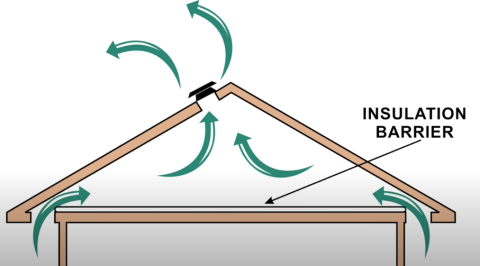
Attic Ventilation Design and Needs
Poor attic ventilation and insulation deficiencies
may have caused condensation within your attic space. The suspected source of mold in your attic is likely a result of a mixture of mold spores and excessive condensation within the attic space that have settled on organic wood material. The general rule, on the amount of total attic vent space needed, is to have at least one square foot of vent space for every 150 square feet of attic area. Ideally, half the vents should be located in the soffit at the bottom of the roof and half in gable or ridge vents near the top to allow for natural circulation of air through the attic.
Attic ventilation temperature differential
Keeping the air temperature in the attic relatively similar to the surface temperature of the wood is crucial. If there is a differential between the two, you end up reaching dew point causing excessive condensation resulting in mold growth.
How We Treat Mold in Your Crawl Space
MassMold takes a comprehensive approach to crawl space mold removal. Our thorough inspection allows us to create a plan that is tailored to your home, ensuring effective results. We’ll start by isolating the mold so that it doesn’t spread during the treatment process. Then, we’ll get started on the mold abatement process, which involves a combination of chemical applications and other procedures, to completely eliminate crawl space mold.
You can rest assured that MassMold will do a thorough job with your crawl space mold removal.